

Corns and Callus Treatment in Bexley
Thick, hard skin or a painful corn that keeps coming back no matter how often you file it? Corns and calluses are your skin protecting itself from pressure - so real relief comes from removing them painlessly and fixing the pressure underneath.
- Painless removal
- Pressure offloading
- Recurrence prevention
- 60+Years Combined Experience
- 4.9Google Rating (250+)
- Podiatric surgical registrar on team
- Endorsed for Scheduled Medicines
What Corns and Calluses Are
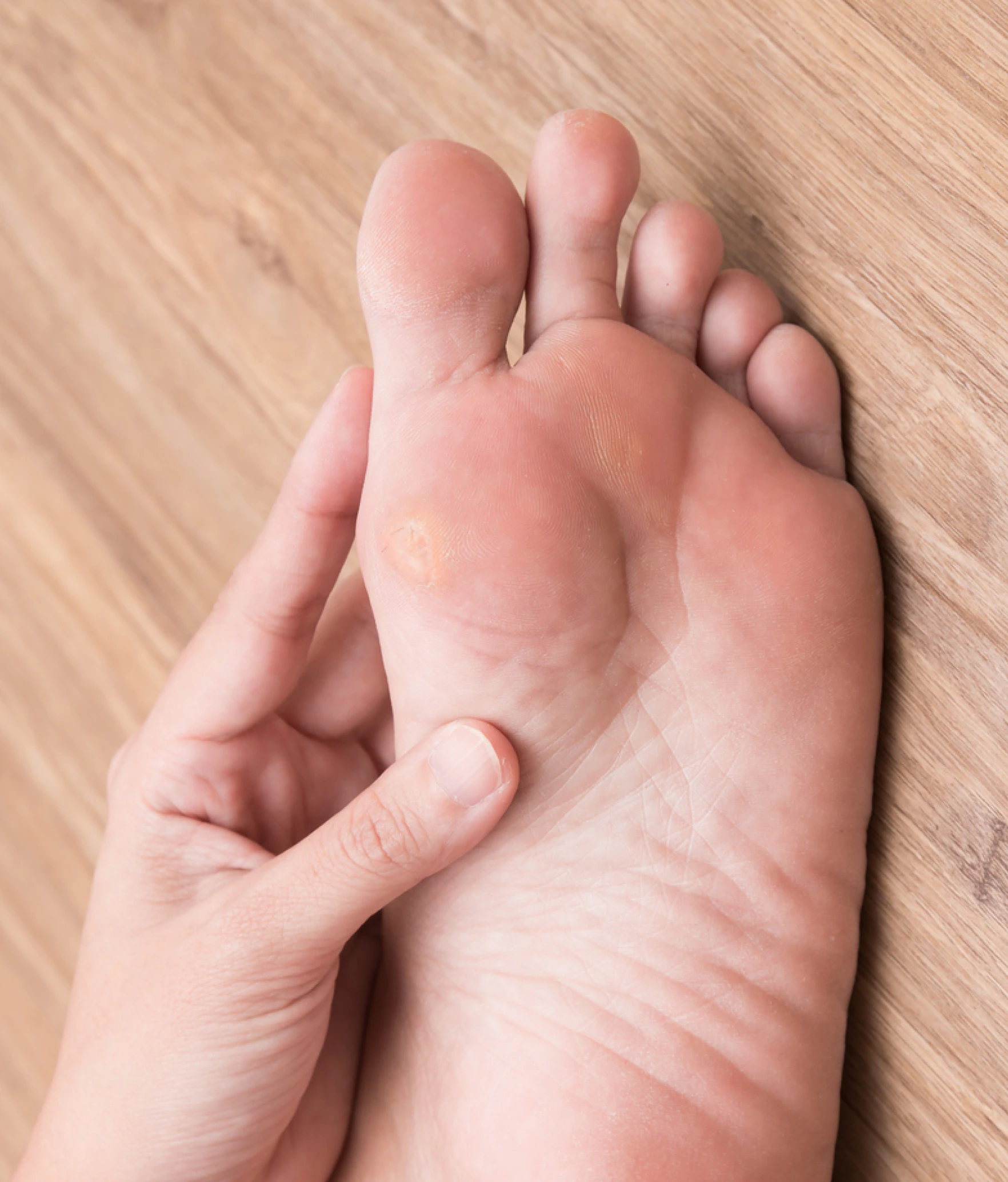
Corns and calluses are areas of thickened skin that form in response to repeated pressure or friction - the skin's way of protecting itself from load. A callus is a broad area of thickened skin, usually on the sole or heel, while a corn is a smaller, more concentrated cone of hard skin, often with a central core, that tends to form on or between the toes and can be quite painful when pressed.
Although they are protective in origin, corns and calluses become a problem when they grow thick enough to cause pain, or when a corn presses on the tissue beneath it like a small stone. Simply filing or cutting them off gives short-term relief, but they return quickly unless the pressure causing them is addressed - which is the real key to lasting comfort.
Why They Form
Corns and calluses always trace back to a source of pressure or friction. Common contributors include:
Footwear
tight, loose or ill-fitting shoes that rub or concentrate pressure
Foot deformities
bunions, hammer toes and prominent bones that create pressure points
Foot mechanics
the way you load your foot, focusing pressure on certain areas
High activity
a lot of walking or standing that repeatedly loads the same spots
Dry skin
which can make callus build-up and cracking worse
Corn vs Callus - What's the Difference?
Corns and calluses are often confused because they're both areas of thickened skin caused by pressure. But they're distinct conditions that form differently, feel different and respond to different management approaches.
| Feature | Callus | Corn |
|---|---|---|
| Size and shape | Broad, diffuse, flat patch | Small, focused, conical |
| Central nucleus | None - skin thickens uniformly | Hard, pointed core that presses inward |
| Pain | Usually not painful; may feel thick or tight | Sharp, localised pain when pressed - like standing on a stone |
| Typical location | Sole, heel, ball of foot, outer toe borders | Tops, tips and sides of toes; between toes (soft corns) |
| Skin borders | Poorly defined, fades into normal skin | Well-defined nucleus, distinct margins |
| Moisture | Dry and firm | Hard and dry (hard corns) or whitish and macerated (soft corns between toes) |
The practical difference matters for treatment - removing a corn without enucleating the central nucleus doesn't resolve the pain, and managing a callus with offloading is different from managing a corn driven by a bony prominence. A full assessment tells you exactly what you have and why.
For a more detailed explanation of how to tell them apart, including home management and when to seek professional care, see our blog post: Corn vs Callus - How to Tell the Difference.
If a corn keeps coming back, our guide on how to get rid of a corn on your foot permanently explains why home treatments don't last and what fixes the cause.
Types of Corns
Not all corns are the same. There are three main types, each forming in a different location and requiring slightly different management:
Hard corns (heloma durum)
The most common type. They form over bony prominences - typically on the tops, tips or outer sides of toes where footwear creates direct friction, or on the ball of the foot under prominent metatarsal heads. The skin is dry and the nucleus is firm and well-defined. They're most common in people with hammer toes, claw toes or prominent metatarsal bones.
Soft corns (heloma molle)
Form between the toes - usually the fourth web space - where the skin stays moist from perspiration and adjacent toe bones press against each other. Because the skin is constantly softened, the corn appears whitish and macerated rather than hard and dry. They're often painful and can be mistaken for tinea (athlete's foot) or interdigital warts. Treatment involves reducing the inter-toe friction and keeping the web space dry.
Seed corns (heloma miliare)
Small, discrete, superficial corns that form in clusters, typically on the heel or sole. Often found in people with dry, thickened skin. Less painful than hard corns but can be numerous. They respond well to regular professional debridement and consistent moisturising.
Signs and Symptoms
Thickened skin
Areas of hard, thick skin on the sole, heel or toes.
Pain on pressure
Tenderness when walking or pressing on the area, especially with corns.
A central core
A corn with a hard central point that feels like standing on a stone.
Recurrence
Hard skin that keeps returning after being filed or cut.
Cracking
Callused skin that dries and cracks, particularly at the heel.
How We Assess Them
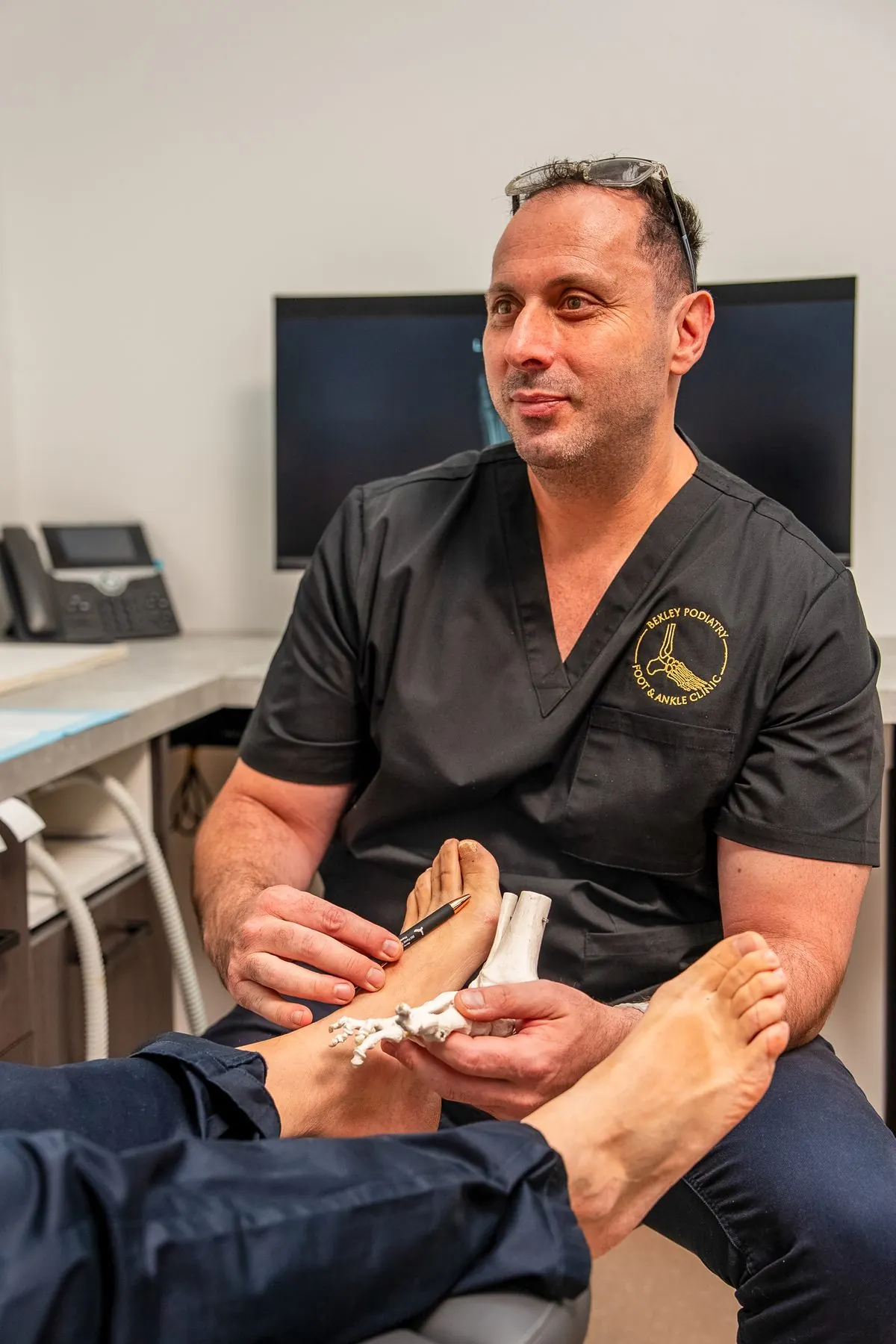
Assessment relieves the immediate discomfort while working out what is causing the pressure - because that is what stops them returning. It typically includes:
Skin examination
assessing the corns and calluses and distinguishing a corn from a wart.
Pressure and gait analysis
identifying where and why load is concentrating.
Structural check
looking for bunions, hammer toes and prominences driving the pressure.
Circulation review
important for people with diabetes, where callus can hide a developing wound.
Treatment and Relief
Treatment combines immediate, painless removal with measures that reduce the underlying pressure so the problem does not simply return. Your plan may include:
- Professional debridement - painless removal of the callus or corn, including the core, giving immediate relief
- Offloading padding and devices - redistributing pressure away from the affected area
- Custom orthotic therapy - correcting the mechanics that concentrate load on the spot
- Footwear advice - changing shoes that rub or overload specific areas
- Treating the cause - addressing bunions, hammer toes or prominences behind the pressure
- Skin care - managing dryness and cracking that accompany calluses
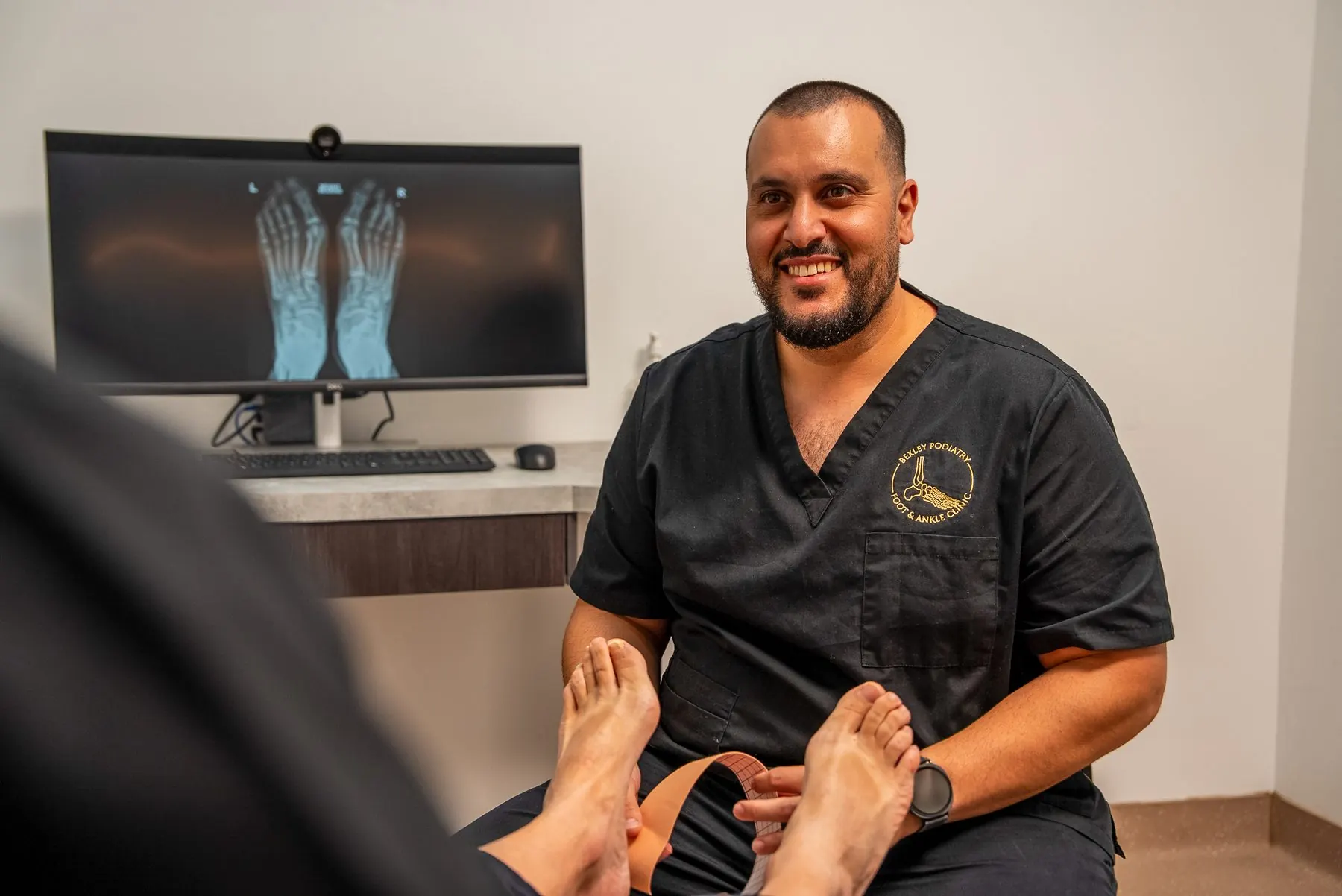
Removal gives immediate relief, but corns and calluses will return unless the pressure causing them is addressed. Tackling the underlying cause is what makes the result last.
What to Expect at Your Appointment
Many patients put off attending because they're not sure what the appointment involves or worry the treatment will be painful. In practice, corn and callus treatment at Bexley Podiatry is one of the most immediately satisfying podiatric procedures - most patients feel relief the moment the pressure is off. Here's what a typical appointment covers:
- Assessment - The podiatrist examines the corn or callus, distinguishes it from a plantar wart if needed, and checks the surrounding skin and any structural factors (hammer toes, bony prominences, foot mechanics) that are creating the pressure.
- Removal - Using a sterile scalpel, the podiatrist carefully reduces the callus and, for corns, enucleates (removes) the hard central nucleus. This is done within the thickened tissue - there are no nerve endings in keratin, so the procedure is virtually painless. Most patients feel immediate pressure relief as the corn core is removed.
- Pressure assessment - The podiatrist identifies what's concentrating the load at the corn or callus site - footwear, gait pattern, a bony deformity - and discusses what needs to be addressed to stop it returning.
- Ongoing plan - Depending on the cause, this might include padding, a change in footwear, custom orthotics to redistribute pressure, or management of an underlying structural issue like a hammer toe.
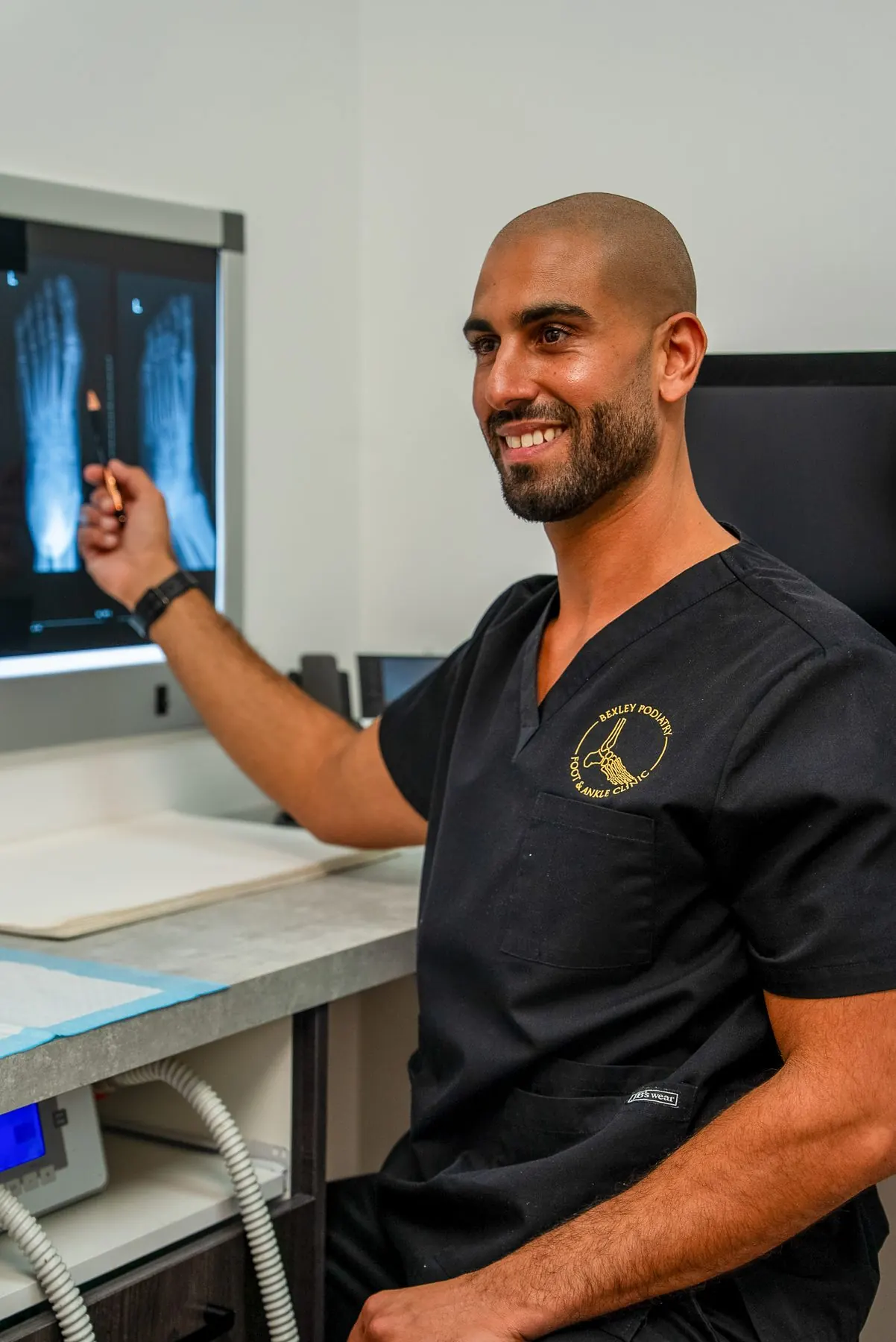
The appointment typically takes 30-45 minutes for a first visit including assessment. Follow-up appointments for recurrent corns and calluses are generally shorter, as the cause has already been identified.
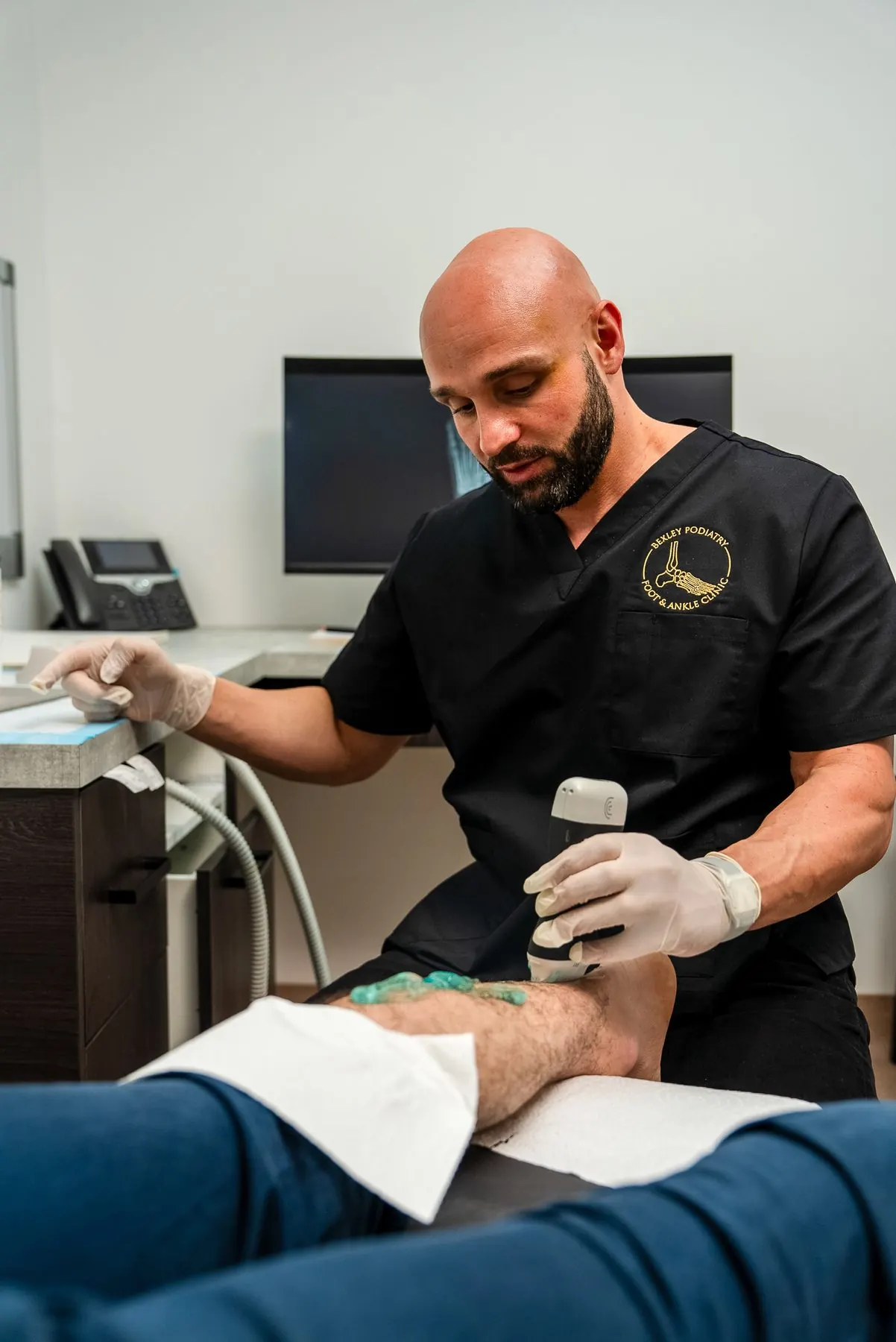
A Note for People with Diabetes
If you have diabetes or poor circulation, corns and calluses deserve extra care and should not be treated with over-the-counter acid products or self-cutting. Thick callus can conceal a developing wound underneath, and reduced sensation means you may not feel it. Regular professional care keeps the skin healthy and helps catch problems early. Our team can incorporate this into a broader diabetic foot assessment.
Corns & Calluses FAQs
Why do my corns keep coming back?
Because the pressure that created them is still there. Removing a corn relieves the pain immediately, but unless the footwear, mechanics or bony prominence causing the pressure is addressed, the skin will thicken again. Treating the cause is what stops the cycle.
Is having a corn or callus removed painful?
No - professional removal is usually painless. The thickened skin has no nerve supply, so it can be carefully reduced without discomfort, and most people feel immediate relief once the pressure is taken off.
Should I use corn plasters from the chemist?
We generally advise against medicated corn plasters, as the acid they contain can damage healthy surrounding skin. This is especially important if you have diabetes or poor circulation, where such products can cause a wound. Professional removal is safer and more effective.
How is a corn different from a plantar wart?
A corn is thickened skin caused by mechanical pressure - it has a hard central nucleus and smooth, parallel skin lines running through it. A plantar wart (verruca) is a viral skin infection caused by the HPV virus - it typically interrupts the skin lines, may have tiny black dots (thrombosed capillaries) within it and tends to be tender when squeezed from the sides rather than pressed directly. We can differentiate them on clinical examination and treat each appropriately.
Can I use corn plasters if I have diabetes?
No. Medicated corn plasters contain salicylic acid which dissolves the thickened skin but also damages surrounding healthy tissue. For people with diabetes, peripheral neuropathy or poor circulation, this creates a significant risk of skin breakdown, wound formation and secondary infection. If you have diabetes and have a corn, contact a podiatrist rather than using any over-the-counter corn product.
How often do I need to have my corns treated?
This depends on how quickly they rebuild, which is driven by the underlying pressure cause. If the cause is addressed - footwear changed, orthotics prescribed - many patients don't need repeat treatment for months or longer. If there is an ongoing structural driver such as a hammer toe, most patients need professional corn removal every 6-12 weeks to stay comfortable. Your podiatrist will give you a realistic picture based on your specific situation after the first assessment.
Painless Corn and Callus Care in Bexley
Stop filing and cutting hard skin that keeps coming back - let us relieve it and address the cause. Bexley Podiatry: Foot and Ankle Clinic, 390 Forest Rd, Bexley, treats corns and calluses for patients from Carlton, Kingsgrove, Rockdale and across St George. Call 1300 345 226 to book.
Related conditions
Plantar Warts
A viral skin infection on the sole - often mistaken for a callus, and treated with a range of proven options.
Learn moreHammer Toes
Toes that buckle into a bent position - managed to keep them flexible and comfortable, corrected surgically if fixed.
Learn moreMorton's Neuroma
A thickened, irritated nerve between the toes causing burning forefoot pain - often felt as a pebble in the shoe.
Learn moreRequest an appointment
Send a few details and our team will be in touch to arrange a time that suits you.
Visit the clinic
Bexley, NSW 2207