

Flat Feet Treatment in Bexley
A low or collapsed arch is common and often causes no trouble at all - but when flat feet bring aching, fatigue or knock-on pain elsewhere, or seem to be getting worse, they are worth assessing properly. We help both children and adults.
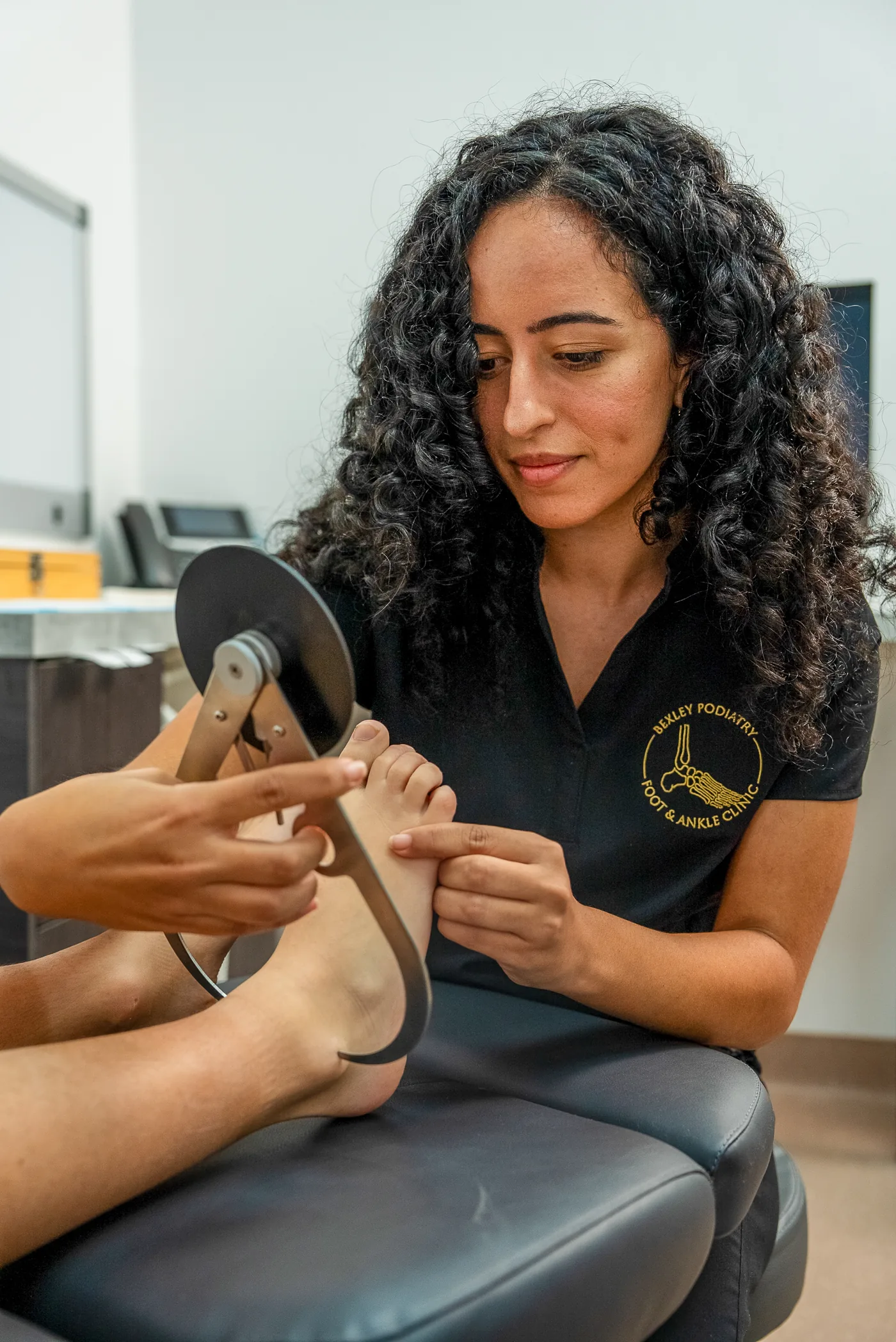
- Biomechanical assessment
- Custom orthotic therapy
- Children's and adult care
- 60+Years Combined Experience
- 4.9Google Rating (250+)
- Podiatric surgical registrar on team
- Endorsed for Scheduled Medicines
What Flatfoot Is
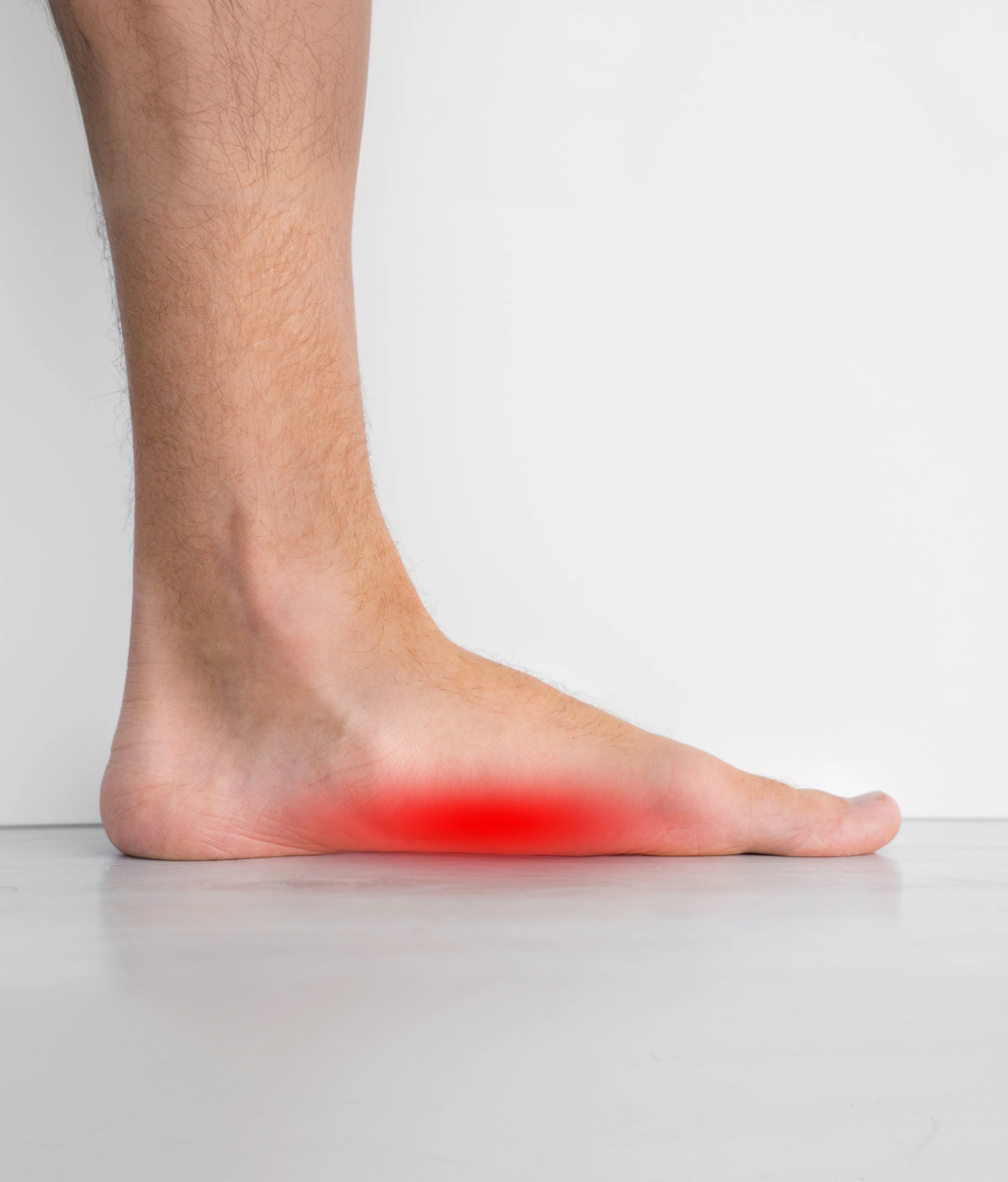
Flatfoot, or fallen arches, describes a foot with a low or absent arch, so that much or all of the sole makes contact with the ground when standing. It comes in several forms. Flexible flatfoot, where an arch appears when the foot is off the ground but flattens on standing, is by far the most common and is often perfectly normal. Rigid flatfoot, where there is no arch in any position, and acquired adult flatfoot, where a previously normal arch collapses over time, are less common and more likely to need attention.
Many people have flat feet their whole lives with no symptoms and need no treatment at all. The reason to assess a flat foot is not its appearance but whether it is causing pain, fatigue or problems elsewhere in the leg, or whether an arch that used to be there is progressively collapsing - which can signal a tendon or joint problem worth catching early.
Why Arches Flatten
The cause of a flat foot depends on the type and the person's age. Contributing factors include:
Natural structure
an inherited foot shape - many flat feet are simply how the foot is built
Childhood development
flexible flatfoot in children, most of whom develop an arch as they grow
Tendon dysfunction
weakening of the posterior tibial tendon, a common cause of adult acquired flatfoot
Arthritis
joint changes that alter the structure of the midfoot
Load factors
weight, pregnancy or ageing that increase strain on the arch
When Flat Feet Cause Symptoms
Arch and heel ache
Aching along the inner arch and heel, especially after standing or activity.
Leg fatigue
Tired, aching feet and legs, sometimes extending to the knees or hips.
Inner-ankle pain
Pain and swelling on the inside of the ankle if a tendon is involved.
Uneven shoe wear
Shoes wearing down unevenly on the inner side.
Collapsing arch
An arch that appears to be flattening more over time in an adult.

How We Assess Flat Feet
Assessment sets out to determine the type of flatfoot, whether it is causing your symptoms, and whether a tendon or joint problem is driving it. It typically includes:
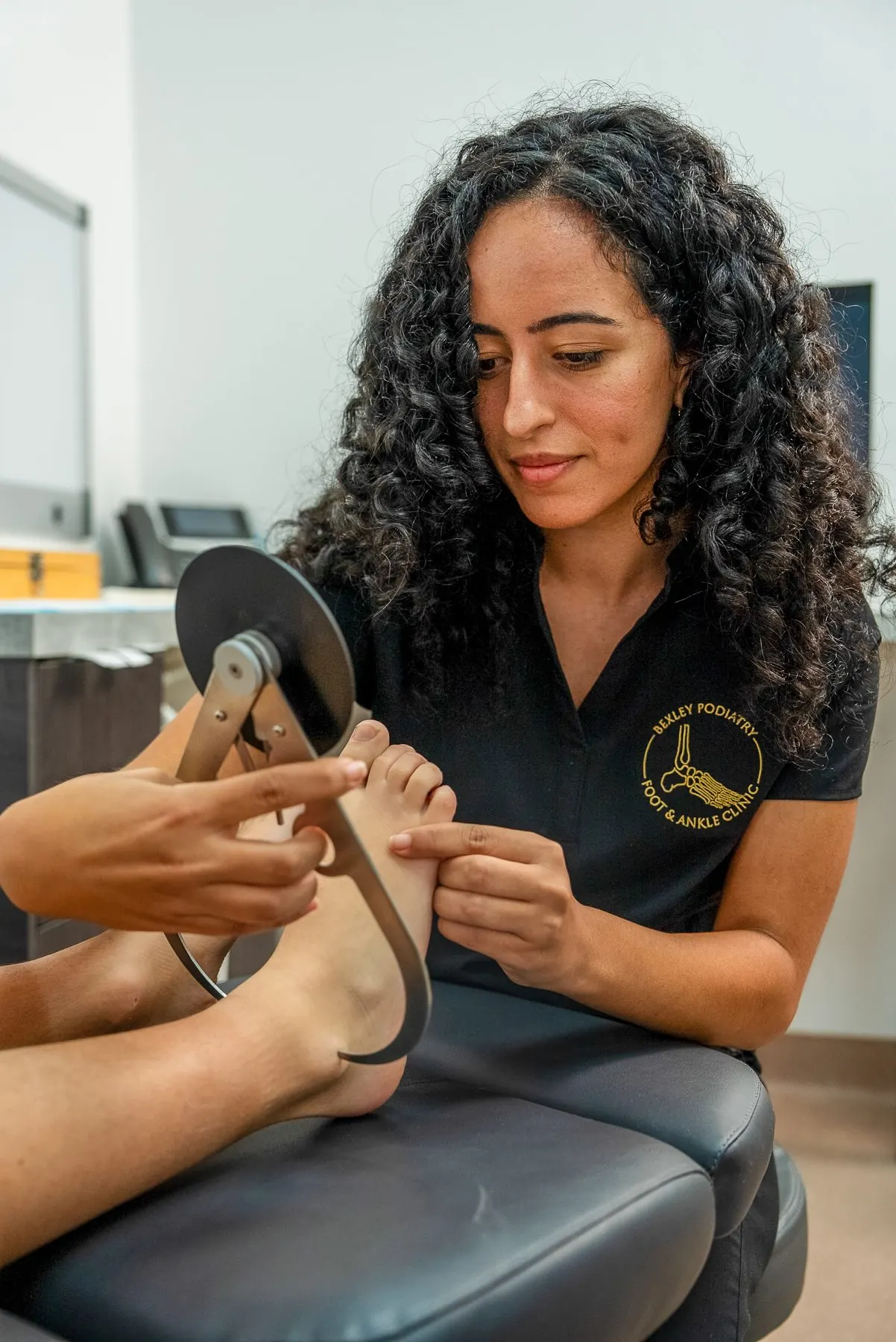
Standing and gait analysis
watching how the arch behaves and how you load the foot when walking.
Flexibility and strength testing
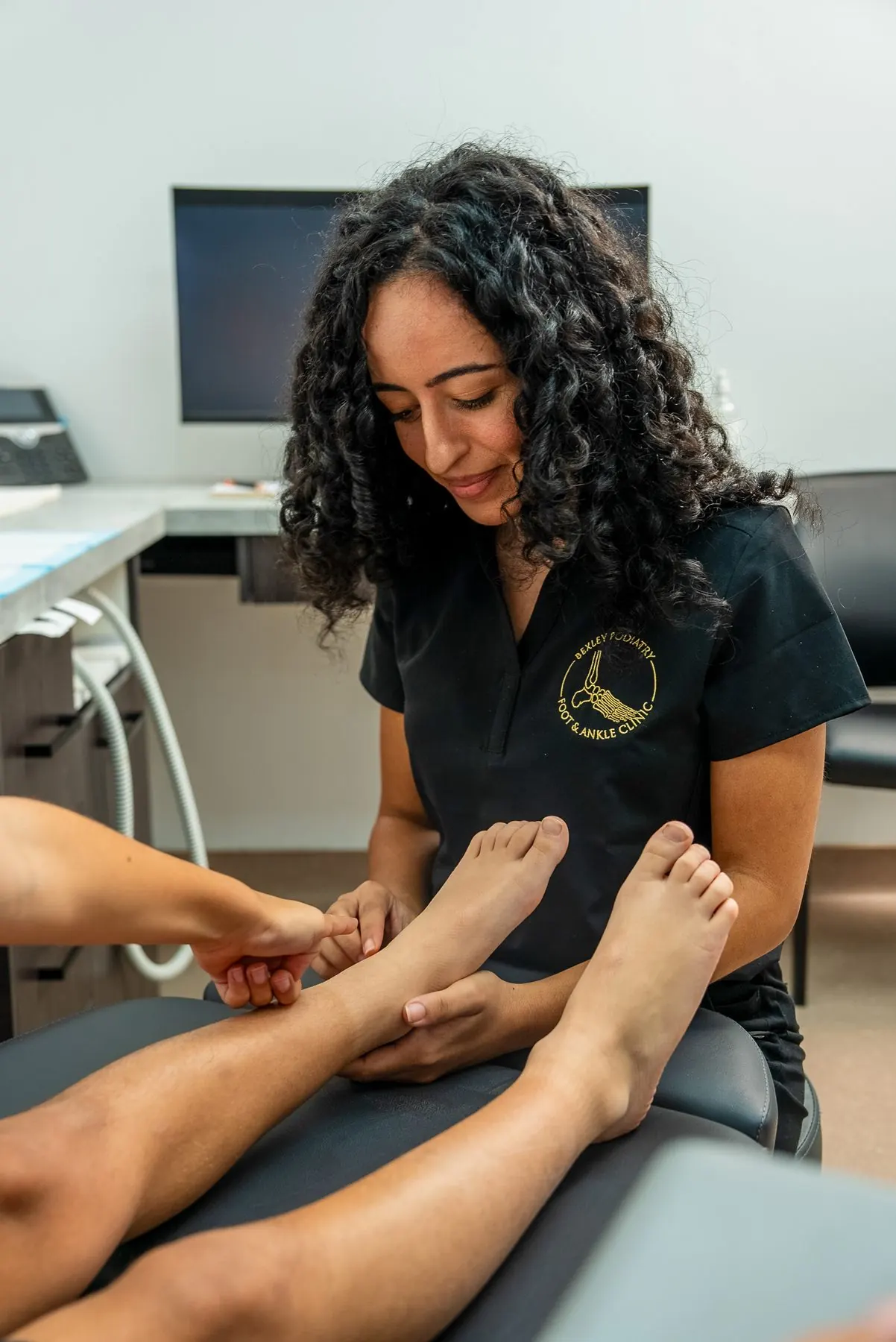
checking whether the flatfoot is flexible or rigid and testing the key tendons.
In-clinic diagnostic ultrasound
imaging the posterior tibial tendon where tendon dysfunction is suspected.
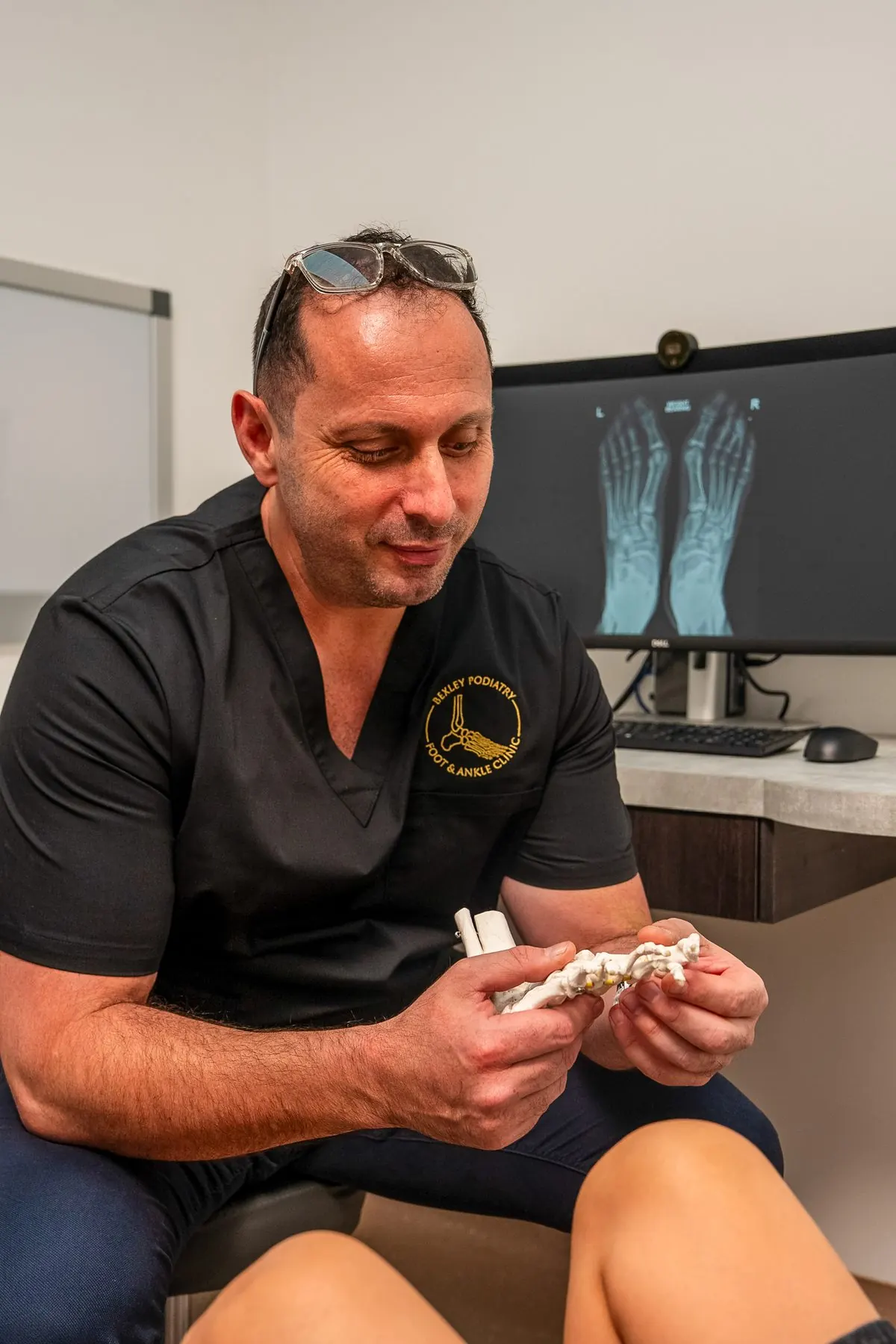
X-ray referral
where the bony structure or arthritis needs assessing, especially in adults.
Conservative Management
Where flat feet cause symptoms, conservative care supports the arch, offloads the strained structures and eases the pain. Treatment is tailored to the type and to age. Your plan may include:
- Custom orthotic therapy - supporting the arch and controlling excessive inward rolling to reduce strain
- Supportive footwear - shoes with genuine arch support and stability that suit your foot
- Strengthening programme - targeted work for the arch and posterior tibial tendon, particularly in tendon-related flatfoot
- Stretching - easing calf tightness that can worsen arch strain
- Activity and load management - adjusting loading while symptoms settle
- Children's monitoring - reassurance and periodic review, as most childhood flat feet resolve with growth
A painless flat foot in a child or adult usually needs no treatment. When symptoms are present, orthotic support and strengthening resolve the majority of cases.
When More Is Needed
If a flatfoot is progressive, rigid, or caused by significant tendon or joint failure that has not responded to conservative care, further assessment is warranted. Our podiatric surgical registrar can review complex or progressive adult flatfoot, and where reconstruction is warranted the case is referred to an appropriate surgical specialist. We continue to manage supportive care throughout.
Flatfoot FAQs
Are flat feet always a problem?
No. Many people have flat feet with no pain and no need for treatment. What matters is whether the flat foot is causing symptoms or is progressively collapsing in an adult - those are the situations worth assessing. A painless, stable flat foot is usually left alone.
Does my child need treatment for flat feet?
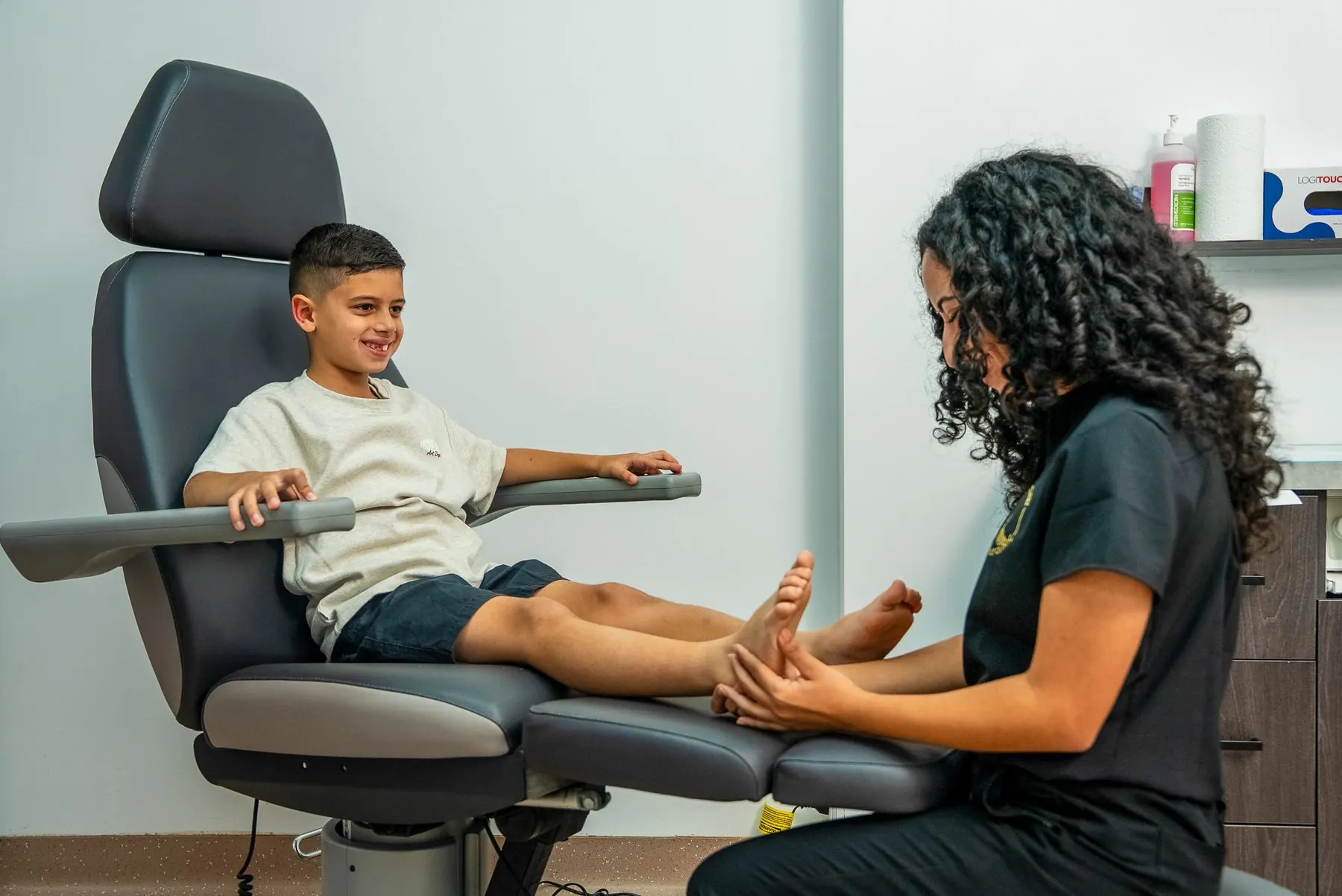
Usually not. Flexible flat feet are normal in young children and most develop an arch as they grow. We treat when there is pain, an unusually rigid foot, or the child is struggling with activity - otherwise reassurance and monitoring are often all that is needed.
Will orthotics cure my flat feet?
Orthotics do not permanently change the shape of the foot, but they support the arch, control excessive rolling and very effectively relieve the pain and fatigue that flat feet can cause. They are a management tool rather than a cure.
My arch has dropped as an adult - is that a concern?
A previously normal arch that is collapsing in adulthood can point to posterior tibial tendon dysfunction, which is worth assessing early. Caught in time, it is very manageable with support and strengthening; left too long, it can become harder to treat.
Flat Feet Assessed for All Ages Across St George
Whether it is your child's flat feet or your own aching arches, a proper assessment tells you whether treatment is needed at all. Bexley Podiatry: Foot and Ankle Clinic at 390 Forest Rd, Bexley, helps families from Rockdale, Kogarah, Beverly Hills and the wider St George area. Call 1300 345 226 to book.
Related conditions
Foot & Ankle Arthritis
Wear or inflammation in the foot and ankle joints - managed to reduce pain, protect joints and keep you moving.
Learn moreHigh-Arch Foot
A high, rigid arch that concentrates pressure on the heel and ball of the foot - and can predispose to rolling.
Learn morePlantar Fasciitis
The leading cause of heel pain - an overloaded band of tissue under the arch that responds well to structured care.
Learn moreRequest an appointment
Send a few details and our team will be in touch to arrange a time that suits you.
Visit the clinic
Bexley, NSW 2207