

High Arch Feet Treatment in Bexley
A high, rigid arch might look impressive, but it concentrates your weight onto the heel and the ball of the foot and leaves the ankle prone to rolling. When high arches cause pain or instability, targeted support makes a real difference.
- Biomechanical assessment
- Cushioning orthotic therapy
- Stability and balance work
- 60+Years Combined Experience
- 4.9Google Rating (250+)
- Podiatric surgical registrar on team
- Endorsed for Scheduled Medicines
What a High-Arch Foot Is
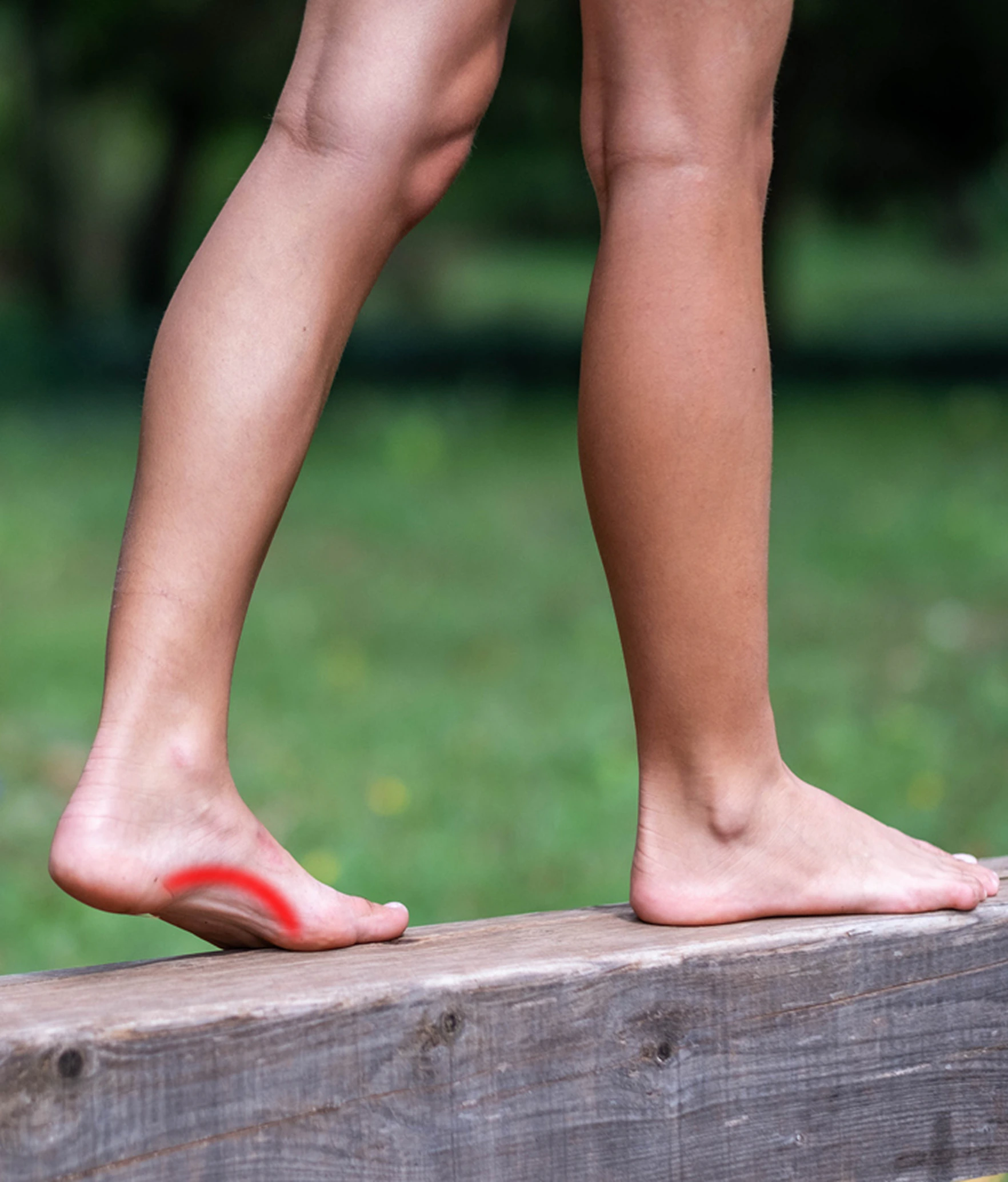
A high-arch foot, known medically as pes cavus, is the opposite of a flat foot - the arch is unusually raised, so weight is carried on a smaller area than normal. Instead of spreading load across the whole sole, the foot concentrates it on the heel and the ball, which is why high-arched feet so often develop pressure pain and callus in those spots.
High arches also tend to be more rigid and less able to absorb shock, and they often sit in a slightly inward-tilted position that makes the ankle prone to rolling outward. For many people a high arch causes no problems at all, but when it does, the issues typically revolve around pressure, poor shock absorption and instability.
Why Arches Become High
A high arch is often simply an inherited foot shape, but a newly developing or worsening high arch can have a specific cause worth investigating:
Inherited structure
a naturally high-arched foot shape, often present in the family
Neurological conditions
conditions affecting the nerves and muscles, which can progressively raise the arch
Muscle imbalance
an imbalance in the muscles controlling the foot
Past injury
certain foot or nerve injuries that alter the arch over time
Signs and Symptoms
Pressure pain
Pain and callus under the ball of the foot and the heel where load concentrates.
Ankle rolling
A tendency to roll or sprain the ankle on uneven ground.
Claw toes
Toes that buckle, often accompanying a high arch.
Poor shock absorption
A jarring feeling and fatigue from a stiff, high-arched foot.
Shoe-fit trouble
Difficulty finding shoes that accommodate the high instep.
How We Assess High Arches
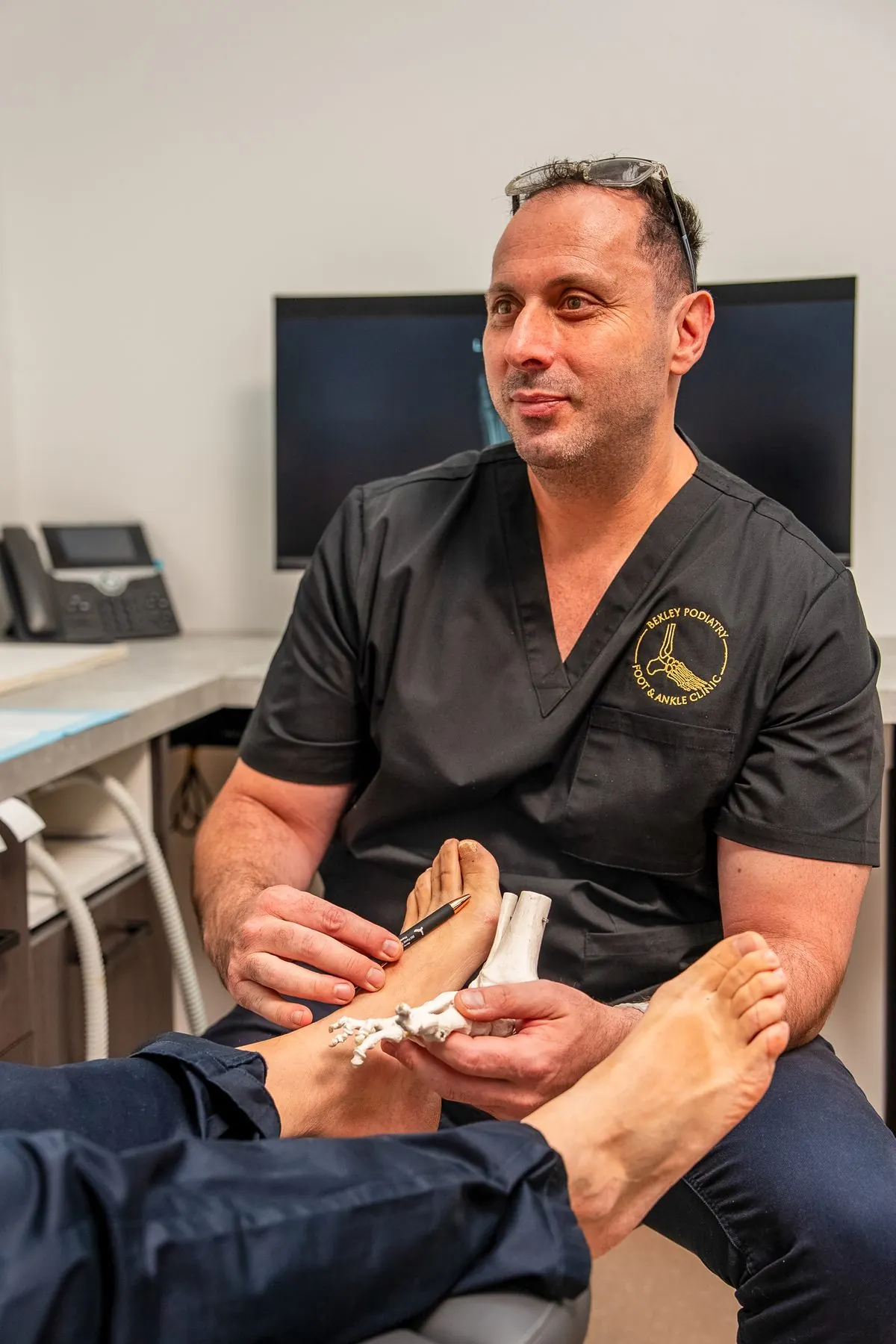
Assessment gauges how the arch is affecting your loading and stability, and importantly checks whether a newer or worsening high arch has an underlying cause. It typically includes:
Gait and pressure analysis
mapping where load concentrates and how the ankle behaves.
Flexibility and strength testing
assessing how rigid the foot is and testing the surrounding muscles.
Neurological screening
checking for a nerve-related cause where the arch is progressive.
Imaging or specialist referral
where an underlying condition needs clarifying.
Conservative Management
High-arched feet respond well to cushioning, offloading and stability work that make up for their poor shock absorption and tendency to roll. Your plan may include:
- Cushioning orthotic therapy - custom devices that spread load off the heel and ball and add shock absorption
- Supportive, stable footwear - shoes with cushioning and lateral support to reduce rolling
- Balance and strengthening - ankle stability work to counter the tendency to roll
- Offloading padding - relieving pressure points and managing callus under the foot
- Stretching - easing the tight structures that accompany a rigid high arch
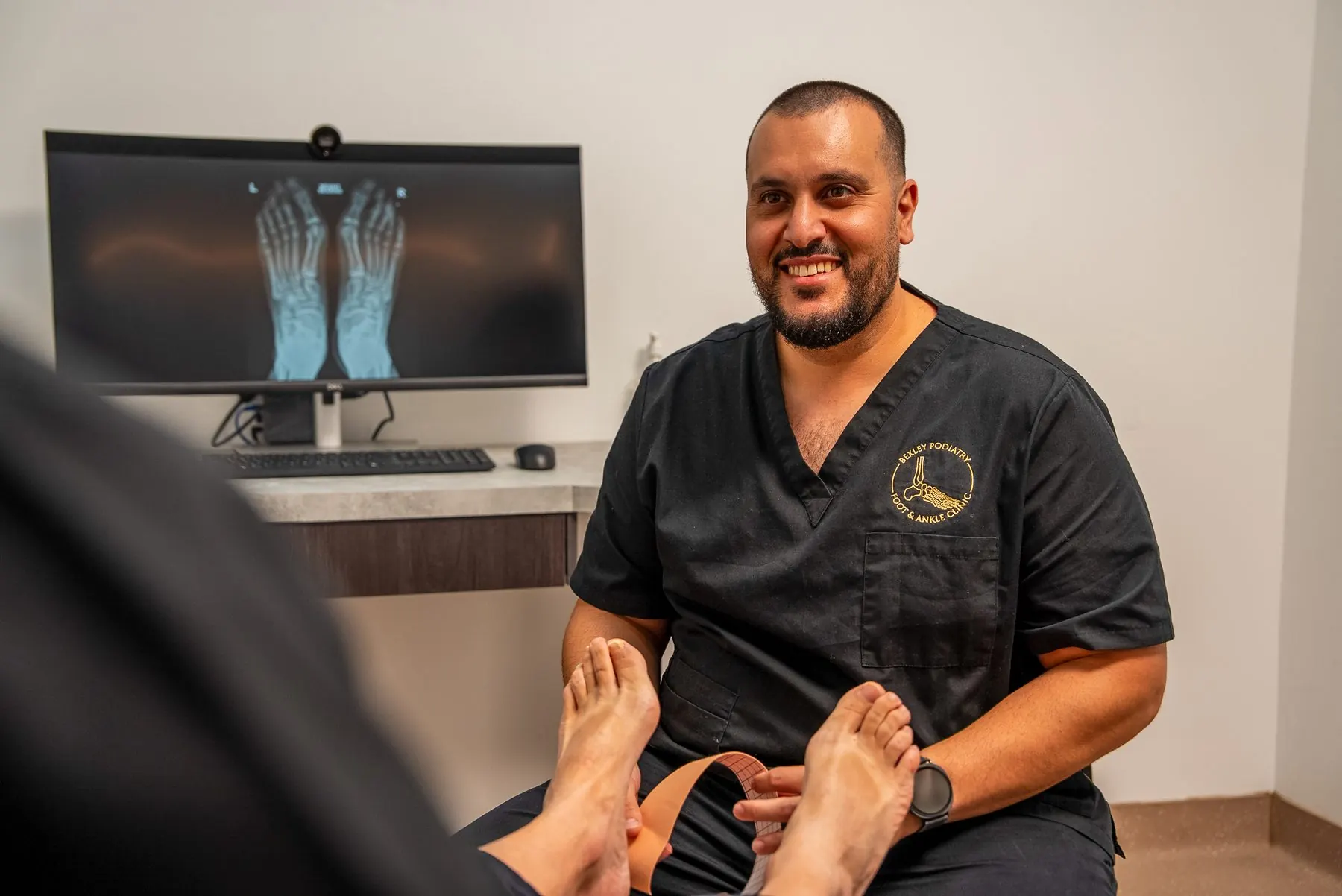
Cushioning and offloading resolve most pressure-related symptoms, while stability work reduces ankle rolling. A progressive high arch with a neurological cause needs the underlying condition addressed too.
When More Is Needed
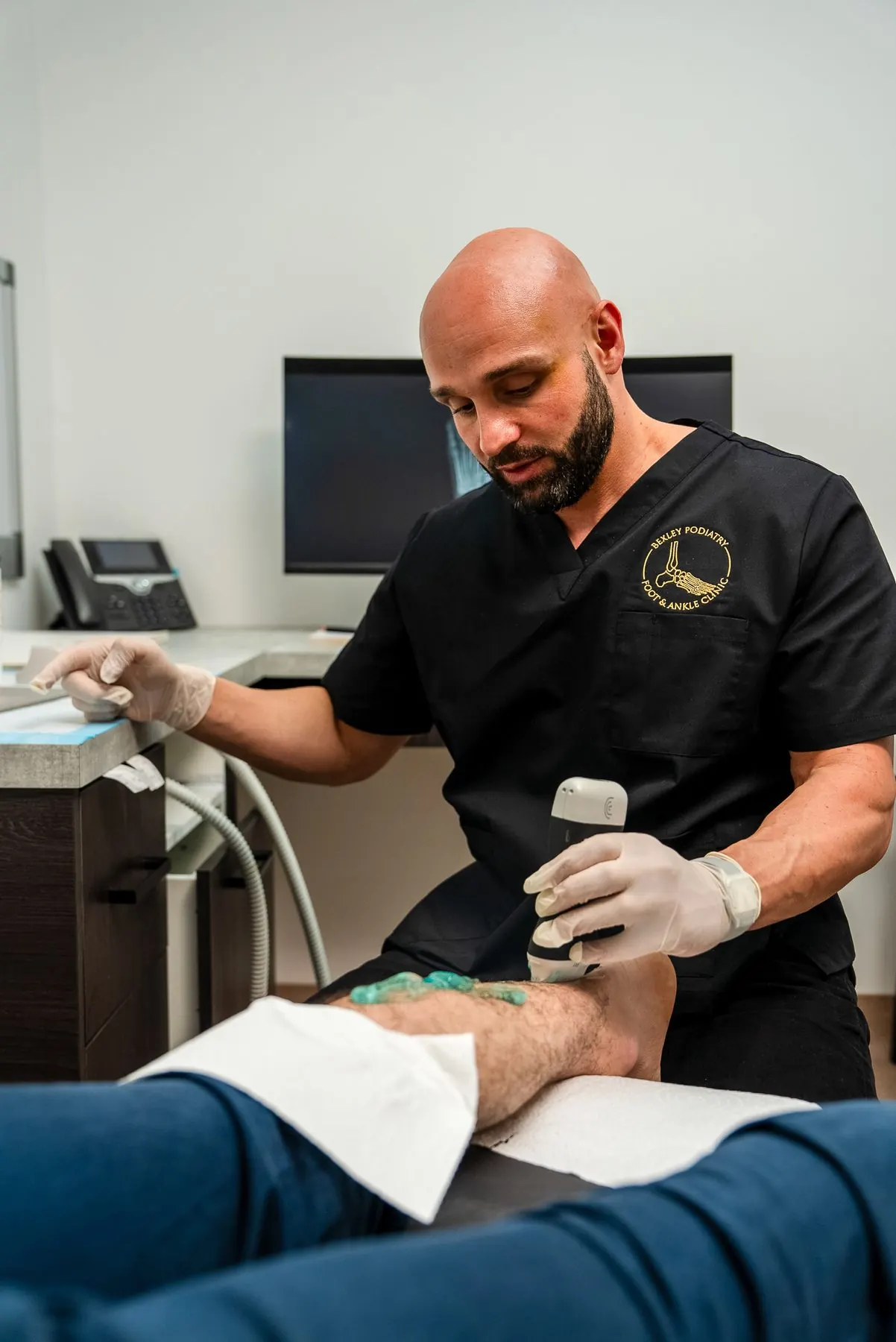
If a high arch is severe, rigid and causing problems that conservative care cannot control - or is progressing due to an underlying condition - further assessment is warranted. Our podiatric surgical registrar can review complex cavus feet, and where reconstructive surgery is warranted the case is referred to an appropriate surgical specialist, often alongside the relevant medical team.
High-Arch Foot FAQs
Are high arches a problem if they do not hurt?
Not necessarily. Plenty of people have high arches with no symptoms and need no treatment. We focus on high arches that cause pressure pain, callus or ankle instability - or that appear to be worsening, which is worth investigating.
Why do I keep rolling my ankle with high arches?
A high-arched foot often sits in a slightly inward-tilted position, which places the ankle closer to rolling outward and makes sprains more likely. Cushioning orthotics, stable footwear and balance training together reduce that tendency.
Should a worsening high arch be checked?
Yes. A high arch that is clearly developing or getting worse - particularly in a child or younger adult - can occasionally reflect an underlying nerve or muscle condition, so it is worth assessing. A long-standing, stable high arch is far less of a concern.
Can orthotics help high arches?
Very much so. Because high-arched feet absorb shock poorly and concentrate pressure, custom cushioning orthotics are one of the most effective treatments - spreading load off the painful areas and improving comfort and stability.
High-Arch Foot Care in Bexley
If high arches are giving you pressure pain or an ankle that keeps rolling, targeted support can settle things down. Bexley Podiatry: Foot and Ankle Clinic, 390 Forest Rd, Bexley, treats high-arched feet for patients from Arncliffe, Brighton-Le-Sands, Kingsgrove and across Sydney's south. Call 1300 345 226 to book.
Related conditions
Flatfoot
A low or collapsed arch - often harmless, but worth assessing when it causes pain or is progressing.
Learn moreAnkle Instability
An ankle that keeps rolling or gives way - usually the legacy of sprains that never fully rehabilitated.
Learn morePlantar Fasciitis
The leading cause of heel pain - an overloaded band of tissue under the arch that responds well to structured care.
Learn moreRequest an appointment
Send a few details and our team will be in touch to arrange a time that suits you.
Visit the clinic
Bexley, NSW 2207