

Hammer Toe Treatment in Bexley
One or more toes buckling upward into a bent, claw-like position, catching in your shoes and forming corns on top? Hammer toes are progressive - and treating them while they are still flexible gives you the best chance of staying comfortable without surgery.
- Custom orthotic therapy
- Offloading and padding
- Surgical assessment when needed
- 60+Years Combined Experience
- 4.9Google Rating (250+)
- Podiatric surgical registrar on team
- Endorsed for Scheduled Medicines
What a Hammer Toe Is
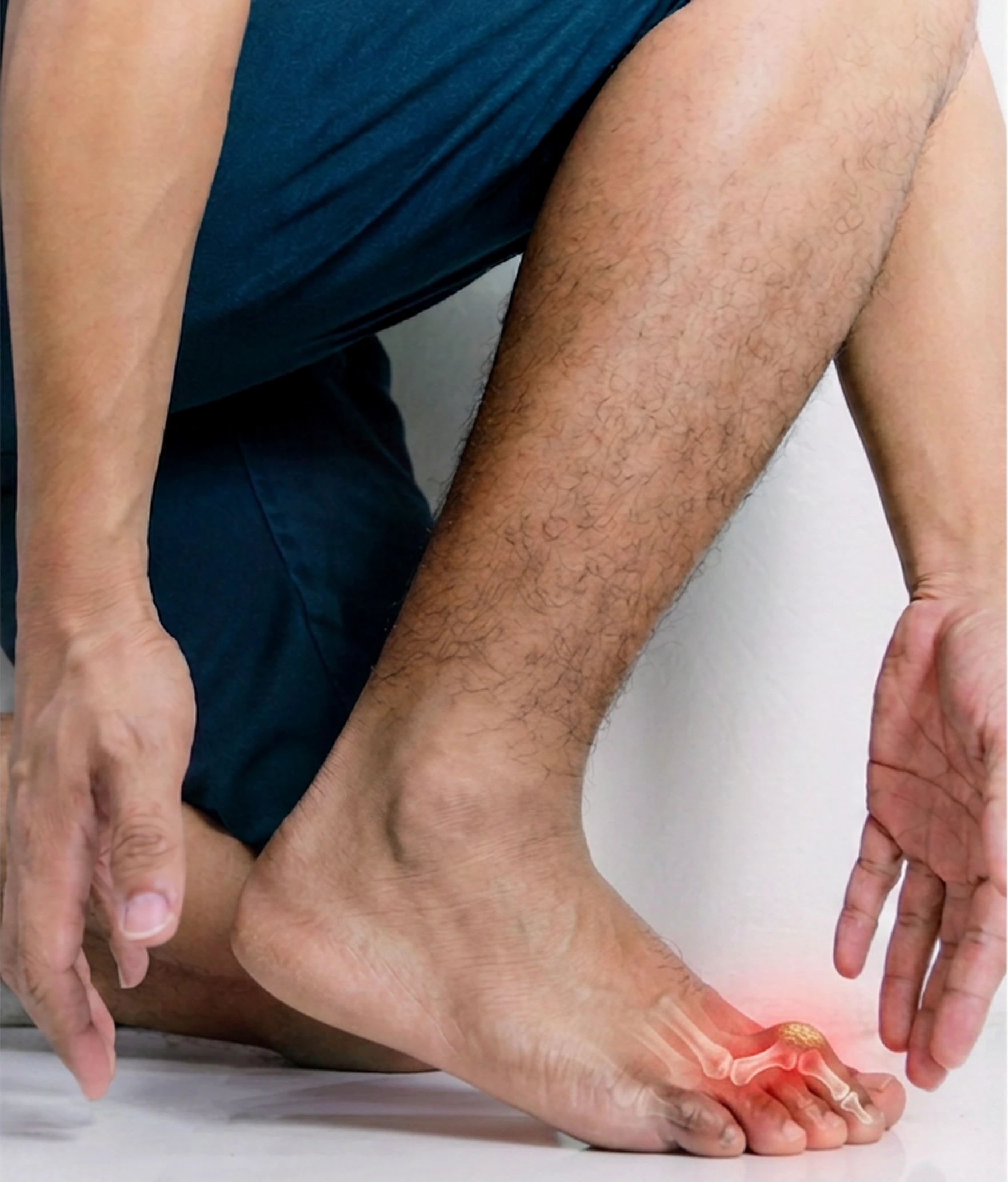
A hammer toe is a toe that has buckled at its middle joint so that it sits in a bent, upward-pointing position rather than lying flat. It most often affects the second, third or fourth toes. Related deformities include claw toes, which bend at more than one joint, and mallet toes, which bend at the joint nearest the nail - the principle behind all of them is the same imbalance of the small muscles and tendons that control the toe.
Hammer toes usually start out flexible, meaning the toe can still be straightened by hand. Over time, if the imbalance continues, the joint can stiffen into a fixed position that no longer straightens. This matters a great deal for treatment, because a flexible hammer toe has far more conservative options than a rigid one.
Why Hammer Toes Develop
Hammer toes arise from an imbalance in the forces acting on the toe, driven by a mix of structure and load. Common contributors include:
Related deformities
bunions that crowd and destabilise the lesser toes
Tight footwear
narrow or short shoes that force the toes into a bent position over time
Foot mechanics
flat or high-arched feet that alter how the toes grip and load
Muscle imbalance
an imbalance between the muscles that bend and straighten the toe
Arthritis and nerve conditions
conditions that affect the small muscles of the foot
Signs and Symptoms
Bent toes
One or more toes fixed in a raised, bent position.
Corns and calluses
Hard skin on top of the buckled joint or at the tip of the toe from rubbing.
Pain in shoes
Discomfort where the raised joint presses against footwear.
Ball-of-foot pain
Pressure and pain under the ball of the foot as loading shifts forward.
Stiffening
A toe that becomes harder to straighten over time.
How We Assess Hammer Toes
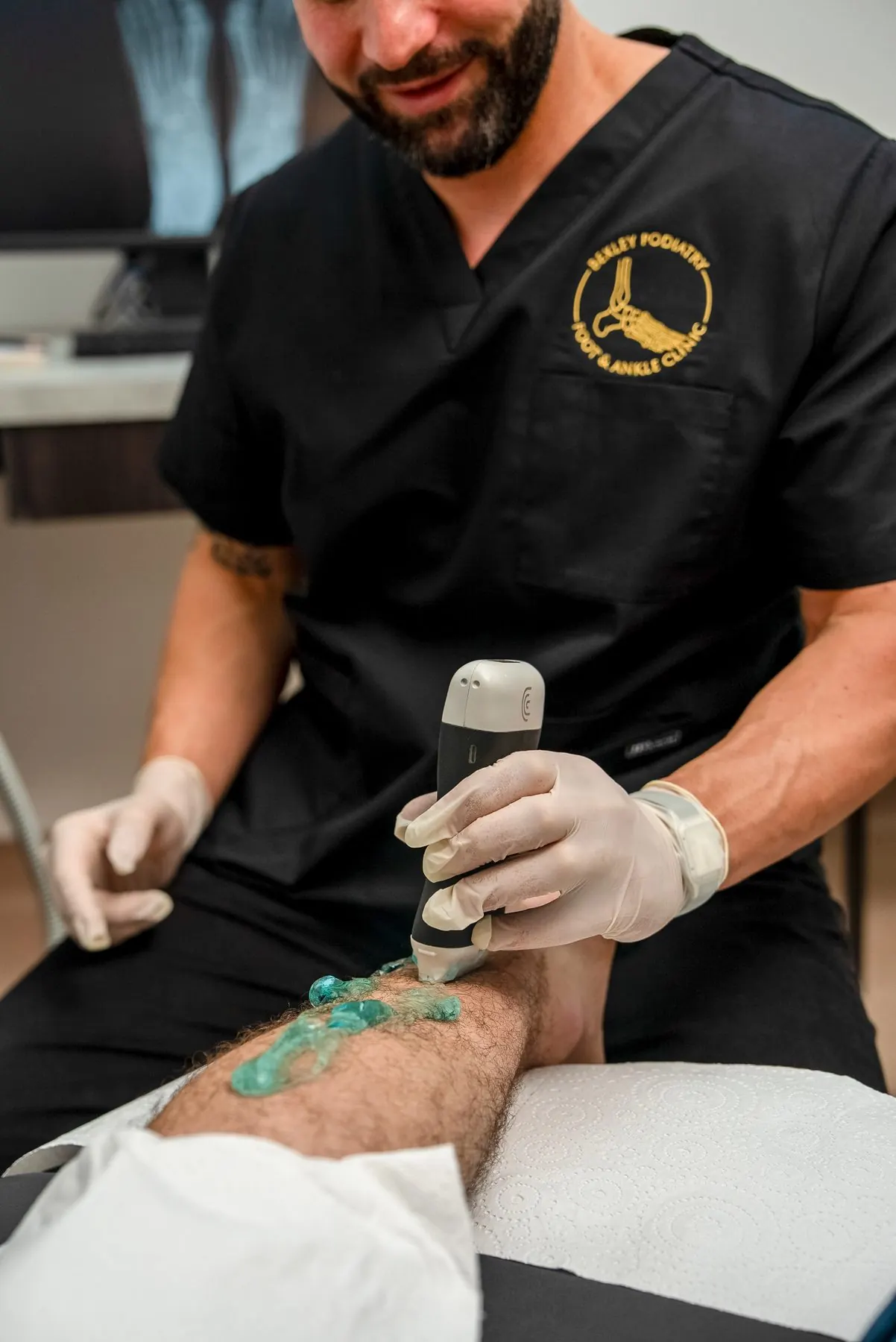
The key question at assessment is whether the toe is still flexible or has become fixed, as this drives the whole treatment plan. Assessment typically includes:
Flexibility testing
checking whether the toe can still be straightened by hand.
Biomechanical assessment
identifying the mechanics and related deformities driving the buckling.
Skin and pressure check
mapping corns, calluses and pressure points.
X-ray review
where the joint changes or related deformities need clarifying.
Conservative Management
While the toe remains flexible, conservative care can keep it comfortable, protect the skin and slow progression. Your plan may include:
- Footwear advice - deeper, wider shoes with a high toe box that stop the toe rubbing
- Custom orthotic therapy - improving foot mechanics and rebalancing the load on the toes
- Toe splints and props - holding a flexible toe in a better position
- Offloading padding - protecting corns and pressure points on and around the toe
- Skin care - safe removal of painful corns and calluses caused by the deformity
- Toe exercises - maintaining movement and strength while the toe is still flexible
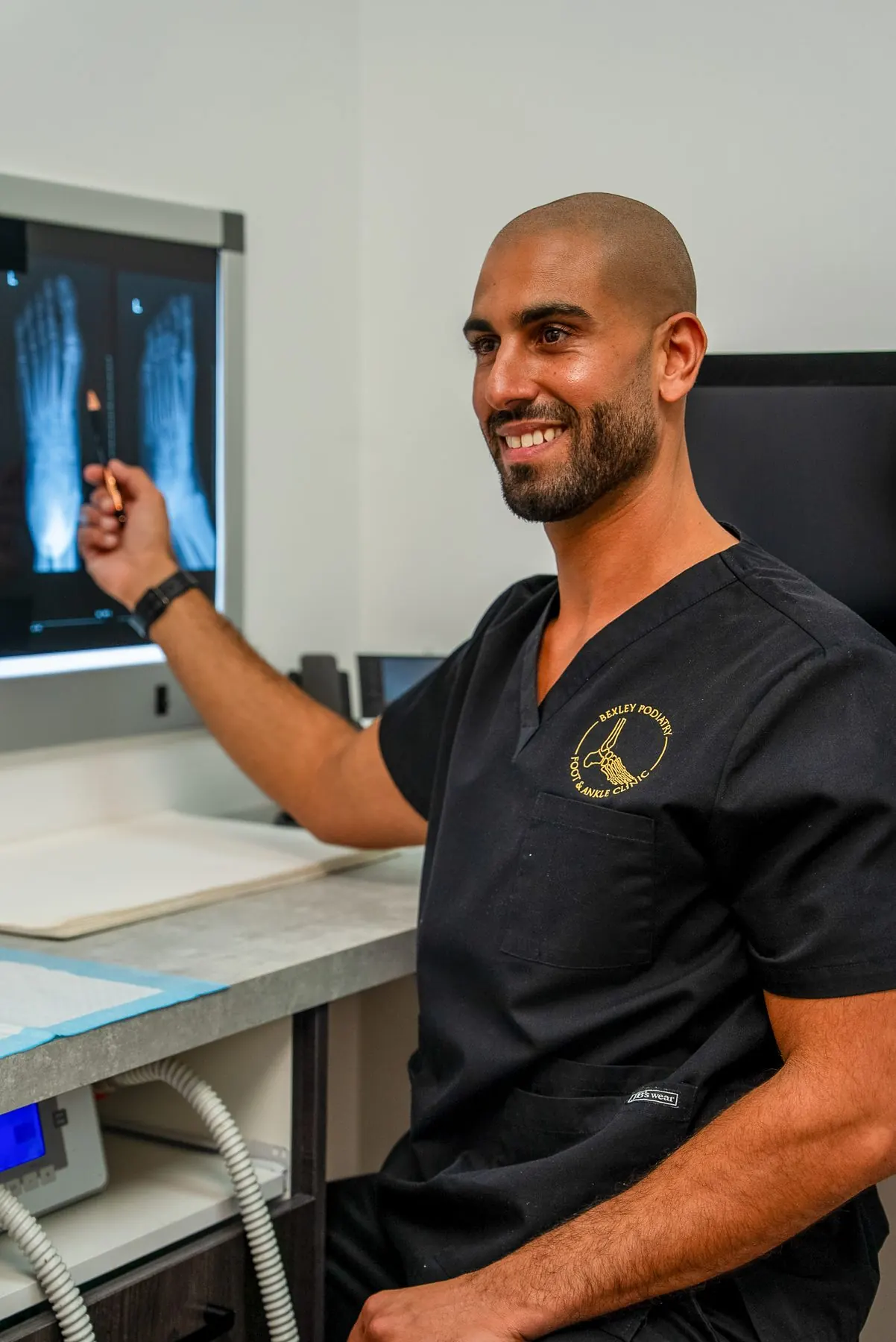
Conservative care manages symptoms and slows progression but does not straighten a hammer toe. Acting while the toe is flexible keeps the most options open.

When Surgery Is Considered
Once a hammer toe becomes fixed and painful, or is causing persistent corns and shoe problems despite good conservative care, surgical correction may be considered to straighten the toe. Our podiatric surgical registrar can assess whether correction is appropriate, and complex cases are referred to an appropriate surgical specialist. Any related bunion is usually addressed at the same time.
Hammer Toes FAQs
Can a hammer toe be fixed without surgery?
A flexible hammer toe can be kept comfortable and its progression slowed with footwear change, orthotic support and splinting, but these do not permanently straighten it. Once the toe becomes fixed, surgery is the only way to correct the position itself.
Why do I keep getting corns on top of my toe?
The corns form because the buckled joint sits higher than normal and rubs against the top of your shoe. We can remove the corns and offload the pressure, but they will tend to return until the underlying position and footwear are addressed.
Will my hammer toe get worse?
Hammer toes generally progress over time, often stiffening from flexible to fixed. Managing them early, especially any related bunion, helps slow that progression and keeps you comfortable for longer.
Is hammer toe surgery a big operation?
Hammer toe correction is usually a relatively minor procedure, but the specifics depend on how fixed the toe is and whether other deformities are being corrected at the same time. Our podiatric surgical registrar can explain what would be involved in your case.
Toe Deformity Care for Kingsgrove, Hurstville and Bexley
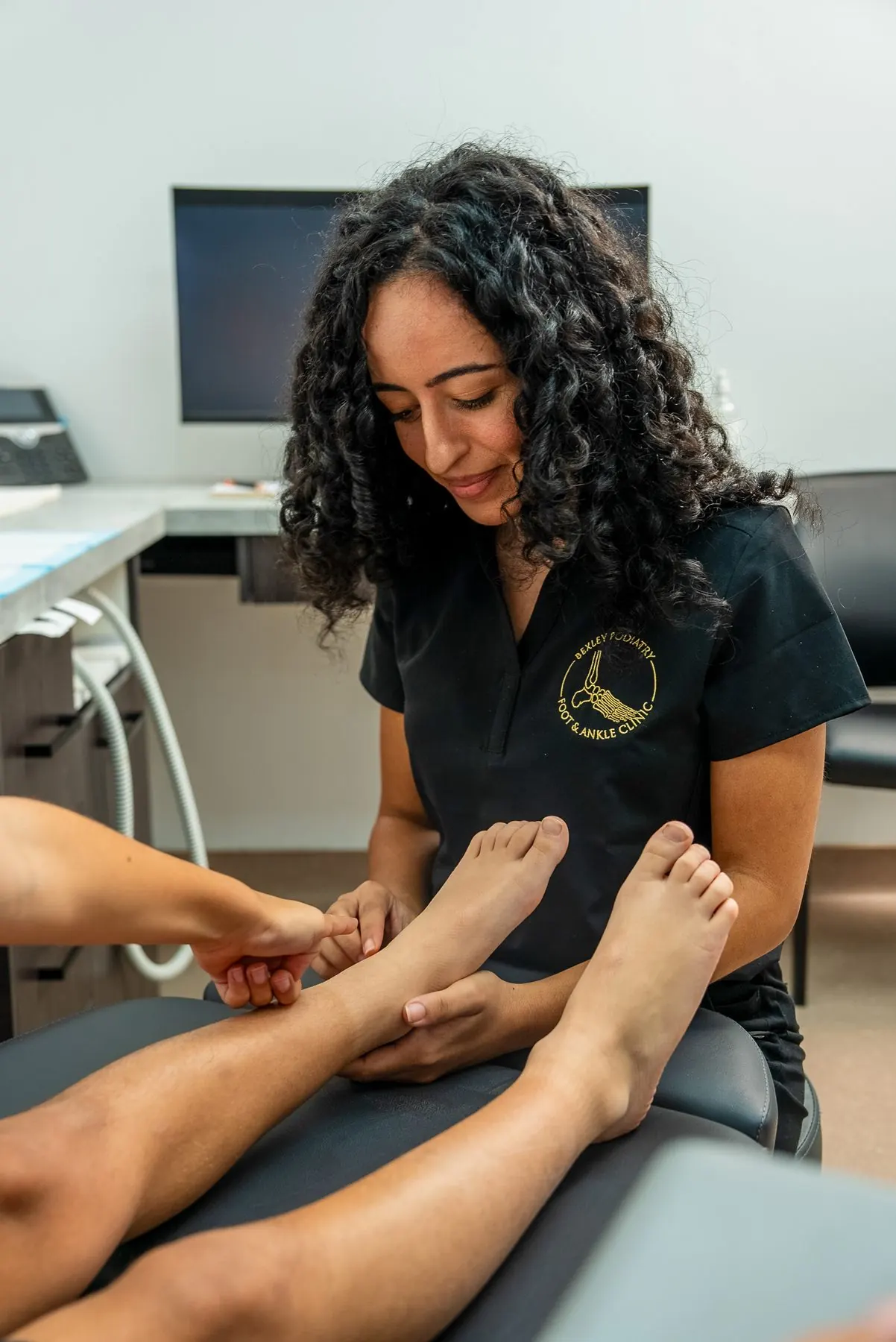
Bent, rubbing toes and recurring corns do not have to be something you just live with. Bexley Podiatry: Foot and Ankle Clinic, 390 Forest Rd, Bexley, treats hammer toes for patients across Kingsgrove, Hurstville, Carlton and the St George area, with surgical assessment on hand when it is needed. Call 1300 345 226.
Related conditions
Bunions
A progressive big-toe-joint deformity - managed early to control pain and slow it, corrected surgically when needed.
Learn moreHallux Rigidus
Arthritis of the big-toe joint causing pain and stiffness on push-off - managed to preserve movement and comfort.
Learn moreCorns & Calluses
Thickened skin from pressure or friction - relieved painlessly, with the underlying cause addressed to stop it returning.
Learn moreRequest an appointment
Send a few details and our team will be in touch to arrange a time that suits you.
Visit the clinic
Bexley, NSW 2207