

Ingrown Toenail Treatment in Bexley
A toenail digging into the surrounding skin, red, sore and maybe infected? Ingrown toenails are one of the most common - and most treatable - problems we see. We relieve the pain quickly, and for recurring nails we offer a permanent fix in the clinic.
- Prompt pain relief
- Minor procedures on site
- Permanent nail correction
- 60+Years Combined Experience
- 4.9Google Rating (250+)
- Podiatric surgical registrar on team
- Endorsed for Scheduled Medicines
What an Ingrown Toenail Is
An ingrown toenail, medically onychocryptosis, happens when the edge or corner of a nail grows into the surrounding skin rather than over the top of it. It most often affects the big toe. As the nail pierces the skin it triggers pain, redness and swelling, and because the break in the skin lets bacteria in, it can readily become infected - sometimes with weeping or a small amount of overgrown tissue at the nail edge.
Ingrown toenails range from a mild, occasional nuisance to a persistently painful, infected toe that makes shoes and even bedsheets unbearable. The key point is that they respond very well to treatment - and for nails that keep coming back, there is a straightforward, permanent solution we can perform in the clinic.
Why Toenails Become Ingrown
Ingrown toenails have several common causes, often in combination:
Nail cutting technique
cutting nails too short or curving down the edges, which encourages the corner to grow in
Tight footwear
shoes that squeeze the toes and press the nail into the skin
Nail shape
an inherited curved or involuted nail shape prone to ingrowing
Injury
stubbing the toe or repeated pressure from sport
Sweat and hygiene
moisture that softens the skin and makes it easier for the nail to penetrate
Signs and Symptoms
Pain at the nail edge
Tenderness and pain along one or both sides of the nail.
Redness and swelling
Inflammation of the skin beside the nail.
Discharge
Weeping, pus or a bad odour if the toe is infected.
Overgrown tissue
A build-up of soft, red tissue at the nail edge in longstanding cases.
Pressure pain
Pain from shoes, socks or even light touch on the toe.
How We Assess It
Assessment determines how severe and how recurrent the problem is, and whether infection is present - which decides between simple relief and a permanent procedure. It typically includes:
Nail and skin examination
assessing the nail edge, the surrounding skin and any infection.
History review
how often it recurs and what has been tried before.
Health and circulation check
important for people with diabetes or poor circulation, where prompt care matters more.
Conservative Treatment
For a first or occasional ingrown toenail, conservative care often resolves it and relieves the pain quickly. Treatment may include:
- Removal of the offending spike - carefully clearing the nail edge that is piercing the skin - often giving immediate relief
- Infection management - treating any infection, with antibiotics arranged where needed
- Nail-edge care - resolving the sharp corner and settling the surrounding skin
- Footwear and technique advice - correcting nail-cutting technique and easing shoe pressure to prevent recurrence

Conservative care resolves many one-off ingrown toenails. When the same nail keeps becoming ingrown, a permanent procedure is usually the more reliable answer.
Permanent Nail Correction
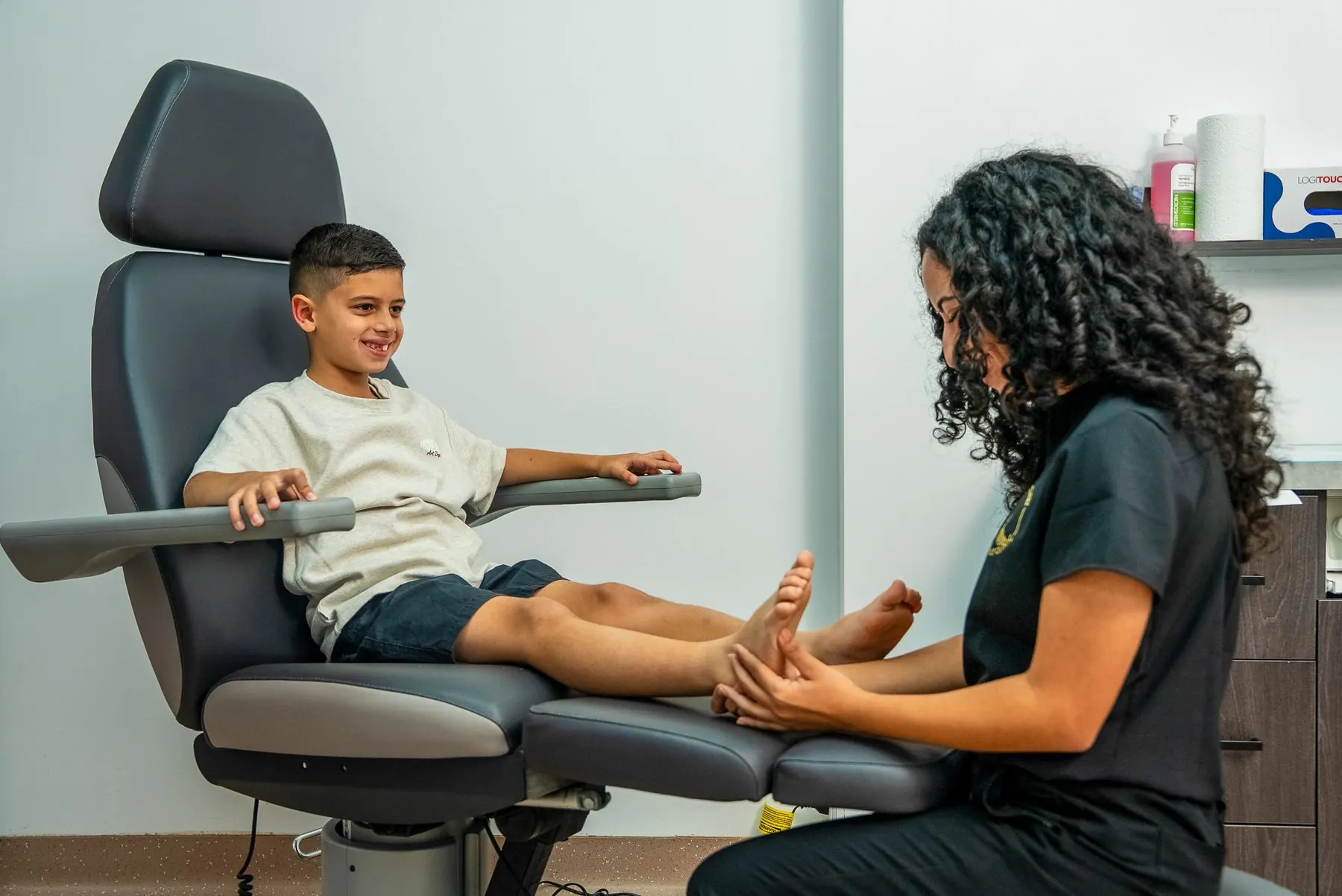
For recurring or severe ingrown toenails, a minor in-clinic procedure called a partial nail avulsion offers a permanent solution. Under local anaesthetic, the troublesome edge of the nail is removed and a chemical is applied to stop that portion regrowing, leaving a normal-looking, narrower nail. It is a well-established, day-procedure treatment performed in the clinic, and our team is endorsed for scheduled medicines and can administer the local anaesthetic. Most people return to normal activity quickly with simple aftercare.
Ingrown Toenails FAQs
Do I need surgery for an ingrown toenail?
Not for a one-off. Many ingrown toenails settle with careful removal of the offending nail edge and infection care. A minor permanent procedure is recommended when the same nail keeps becoming ingrown, as it is far more reliable than repeatedly treating flare-ups.
Does the nail procedure hurt?
The procedure itself is done under local anaesthetic, so the toe is numb throughout and you should not feel pain during it. There is usually only mild discomfort afterwards, managed with simple pain relief, and most people are back to normal activity quickly.
Will my toenail look normal afterwards?
Yes, in most cases. A partial nail avulsion removes only the problematic edge, leaving a slightly narrower but normal-looking nail. The aim is a comfortable toe that does not keep becoming ingrown.
Should I see someone if it looks infected?
Yes, and promptly - especially if you have diabetes or poor circulation. An infected ingrown toenail needs proper care to settle it and prevent it spreading. We can relieve the pain and treat the infection at the same visit.
Fast Ingrown Toenail Relief in Bexley
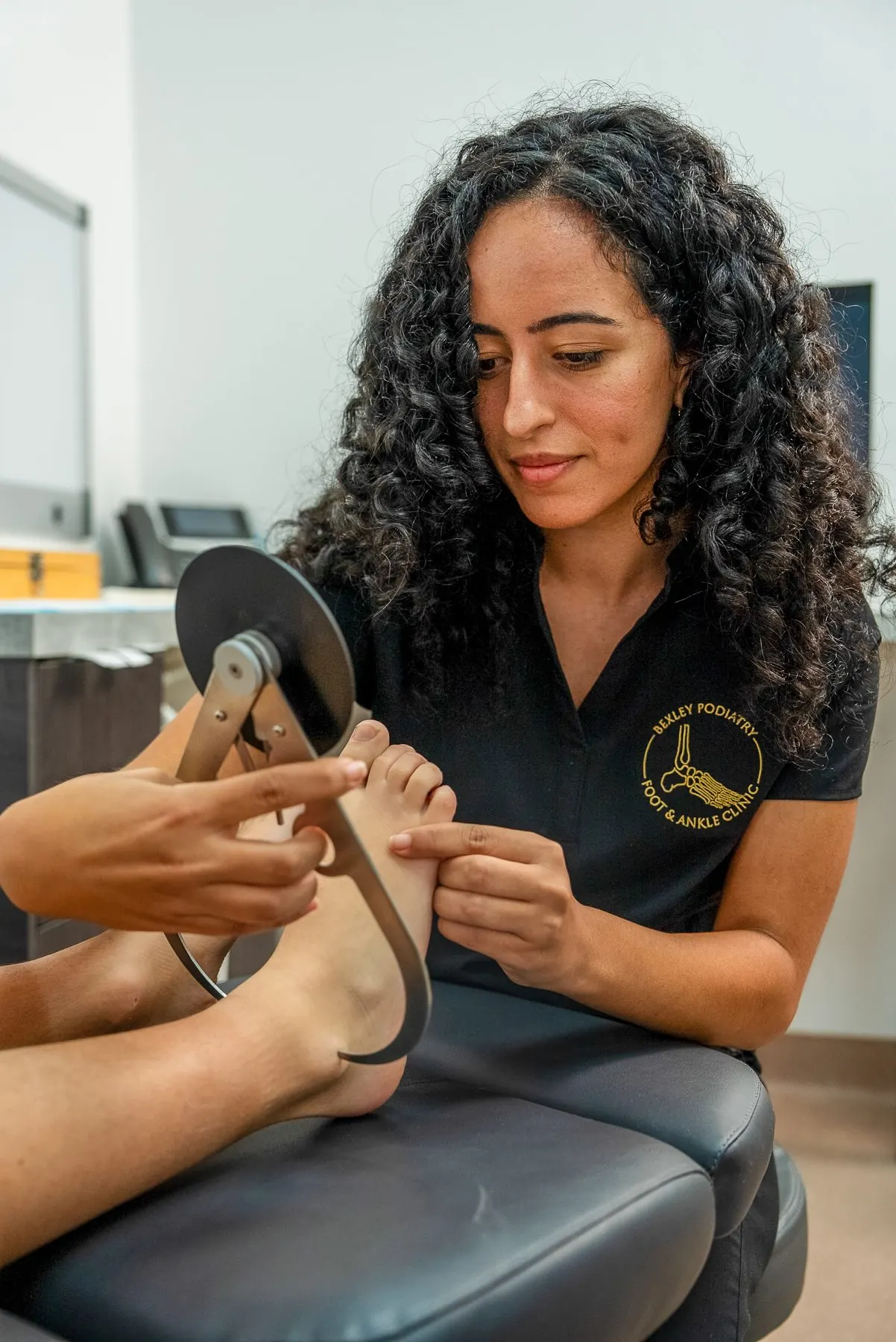
You do not have to put up with a painful, recurring toenail. Bexley Podiatry: Foot and Ankle Clinic at 390 Forest Rd, Bexley, treats ingrown toenails for patients from Rockdale, Kogarah, Arncliffe and across southern Sydney, with permanent minor procedures available on site. Call 1300 345 226 to book.
Related conditions
Request an appointment
Send a few details and our team will be in touch to arrange a time that suits you.
Visit the clinic
Bexley, NSW 2207