

Fungal Nail Treatment in Bexley
Thick, yellow, brittle or crumbling toenails that will not improve? A fungal nail infection is stubborn, but very treatable - and the first step is confirming it is actually fungus, because several other conditions can look just like it.
- Diagnostic nail testing
- Laser and topical options
- Recurrence prevention advice
- 60+Years Combined Experience
- 4.9Google Rating (250+)
- Podiatric surgical registrar on team
- Endorsed for Scheduled Medicines
What a Fungal Nail Infection Is
A fungal nail infection, medically onychomycosis, is an infection of the nail by microscopic fungi - often the same organisms responsible for athlete's foot. The fungus takes hold in and under the nail, feeding on the nail material and gradually causing it to thicken, discolour and become brittle. It usually starts at the tip or side of one nail and can slowly spread across the nail and to others.
Fungal nails are more of a persistent nuisance than a danger for most people, though they can be uncomfortable, embarrassing and difficult to shift. Importantly, several non-fungal conditions - including nail damage from trauma, psoriasis and other nail disorders - can look almost identical. That is why confirming the diagnosis before committing to lengthy treatment is so worthwhile.
Why Fungal Nails Develop
Fungal nail infections take hold when fungus meets the right conditions. Common contributors include:
Warm, moist environments
sweaty shoes, communal showers and pools where fungus thrives
Athlete's foot
an existing skin fungal infection spreading to the nails
Nail trauma
damaged or lifted nails that give fungus an entry point
Health factors
diabetes, poor circulation or a lowered immune response
Age
slower nail growth with age, which allows infection to establish
Signs and Symptoms

Discolouration
Yellow, white, brown or streaky patches within the nail.
Thickening
Nails that become thick and difficult to cut.
Crumbling
Brittle, crumbly edges and a distorted nail shape.
Debris and odour
Build-up under the nail, sometimes with a faint odour.
Lifting
The nail separating from the nail bed in places.
How We Diagnose It
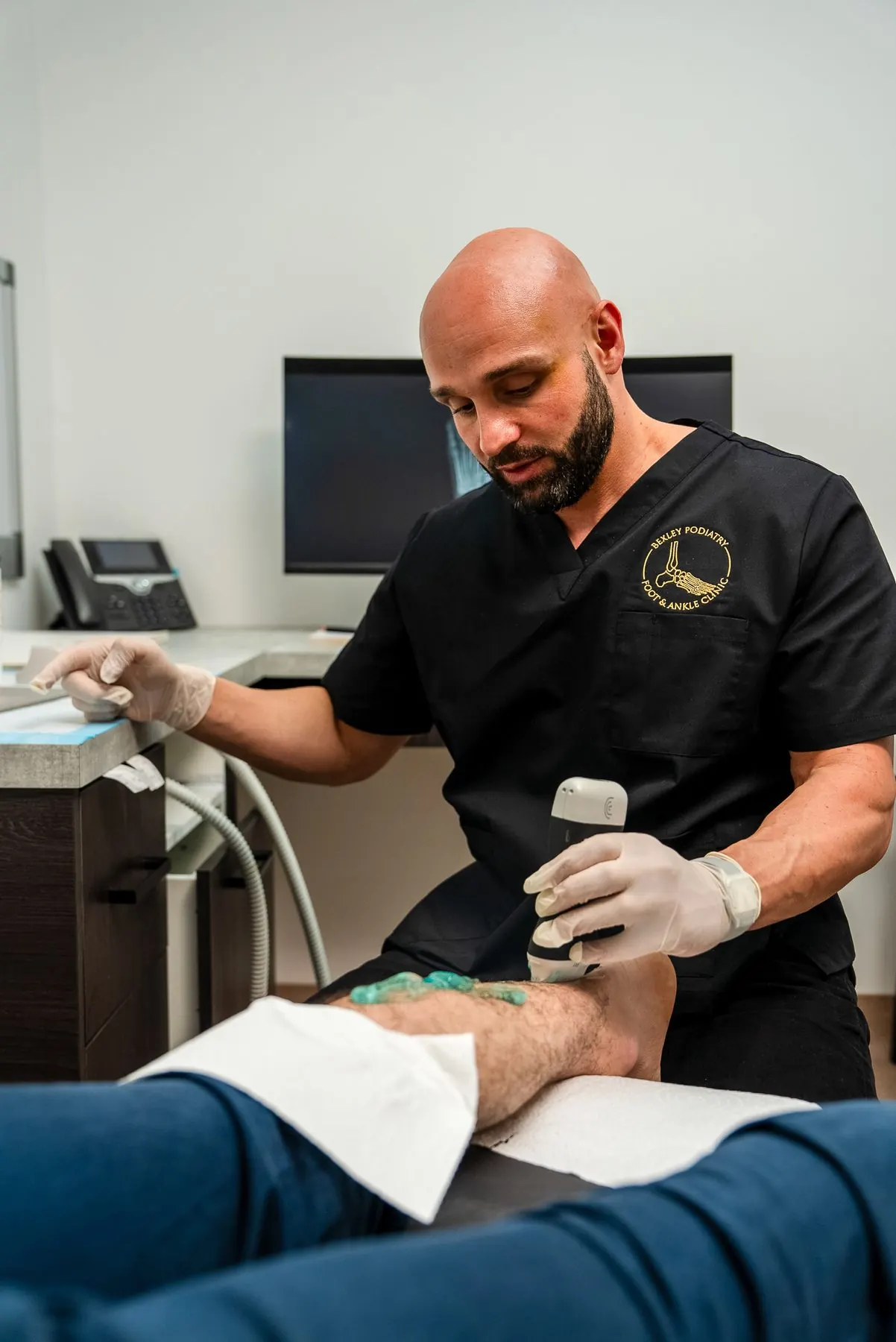
Because several conditions mimic a fungal nail, confirming the diagnosis is the sensible starting point before any lengthy treatment. Assessment typically includes:
Nail examination
assessing the pattern and extent of the nail changes.
Nail testing
sending a nail sample to confirm fungus, since treatment is long and best based on certainty.
Skin check
looking for accompanying athlete's foot that would need treating too.
Health review
considering diabetes or circulation issues that affect treatment choices.
Treatment Options
Fungal nails are slow to clear because a healthy nail has to grow out to replace the infected one, but a properly chosen and consistent approach gives the best chance of success. Options may include:
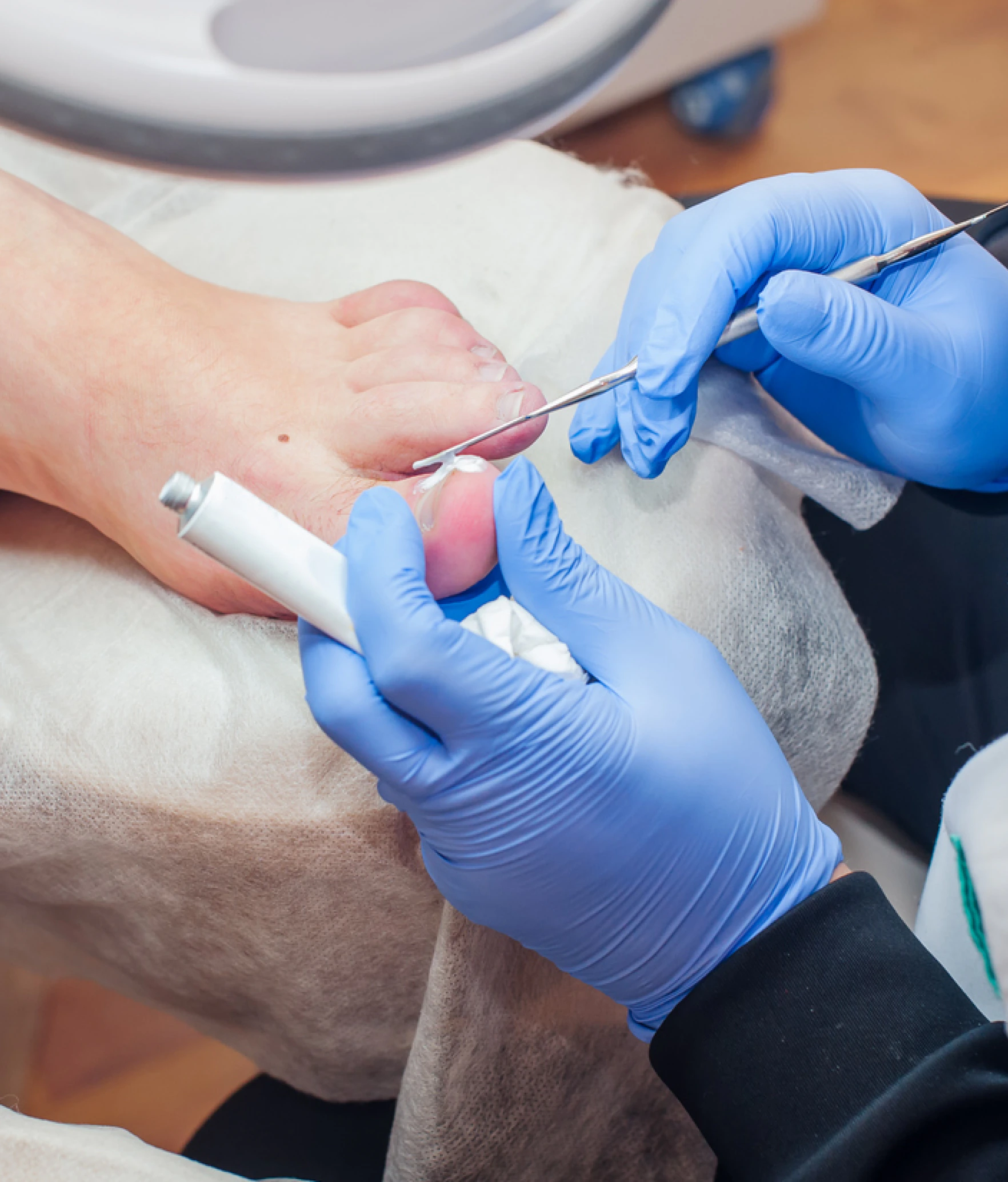
- Nail reduction and debridement - thinning and clearing the infected nail to reduce thickness and help other treatments penetrate
- Topical antifungals - medicated lacquers or solutions applied over an extended course
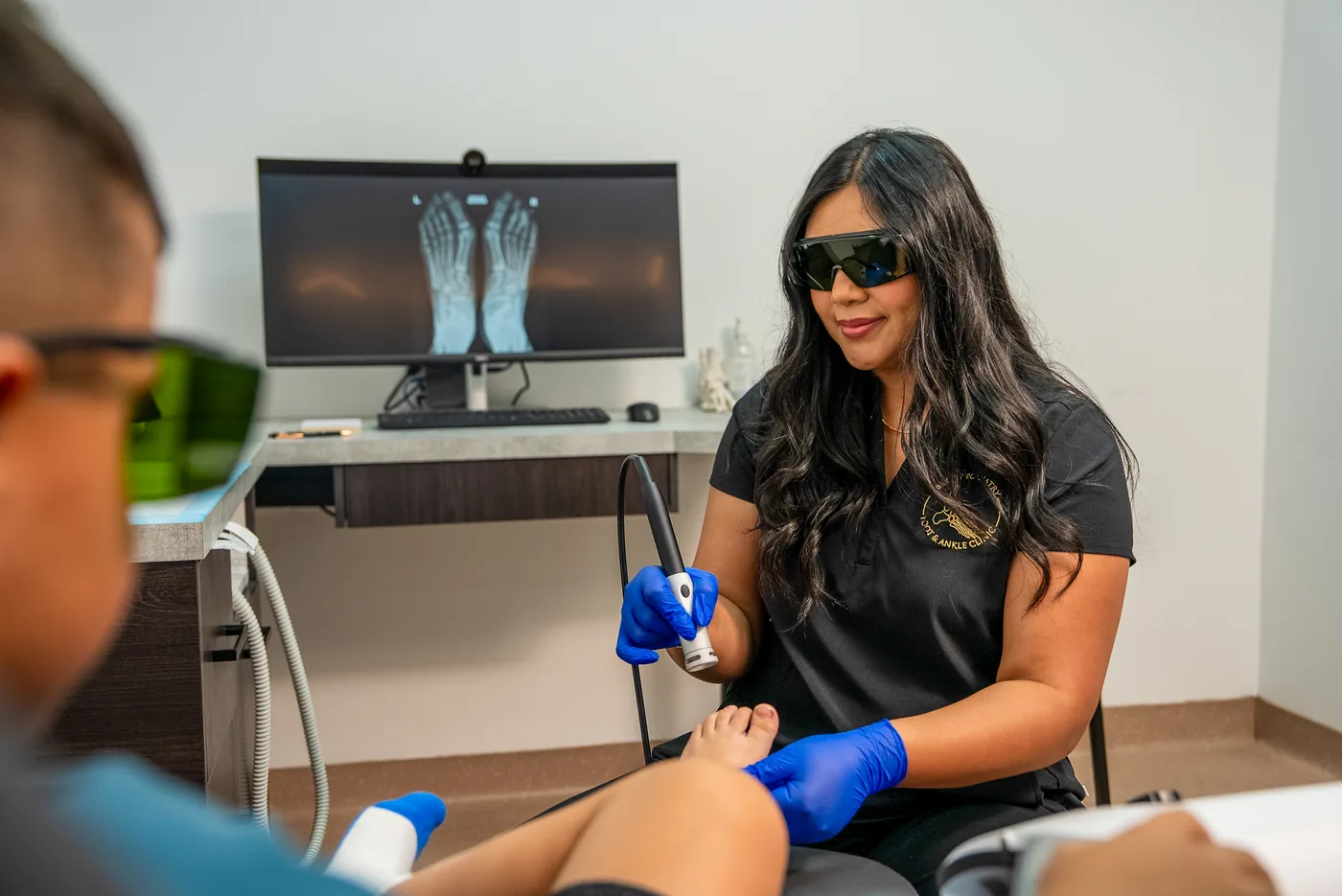
- Laser therapy - targeting the fungus within the nail as an option that avoids oral medication
- Oral antifungal referral - coordinating with your GP where oral medication is appropriate for stubborn cases
- Athlete's foot treatment - clearing any accompanying skin infection to prevent reinfection
- Footwear and prevention advice - reducing the moisture and habits that let the fungus return
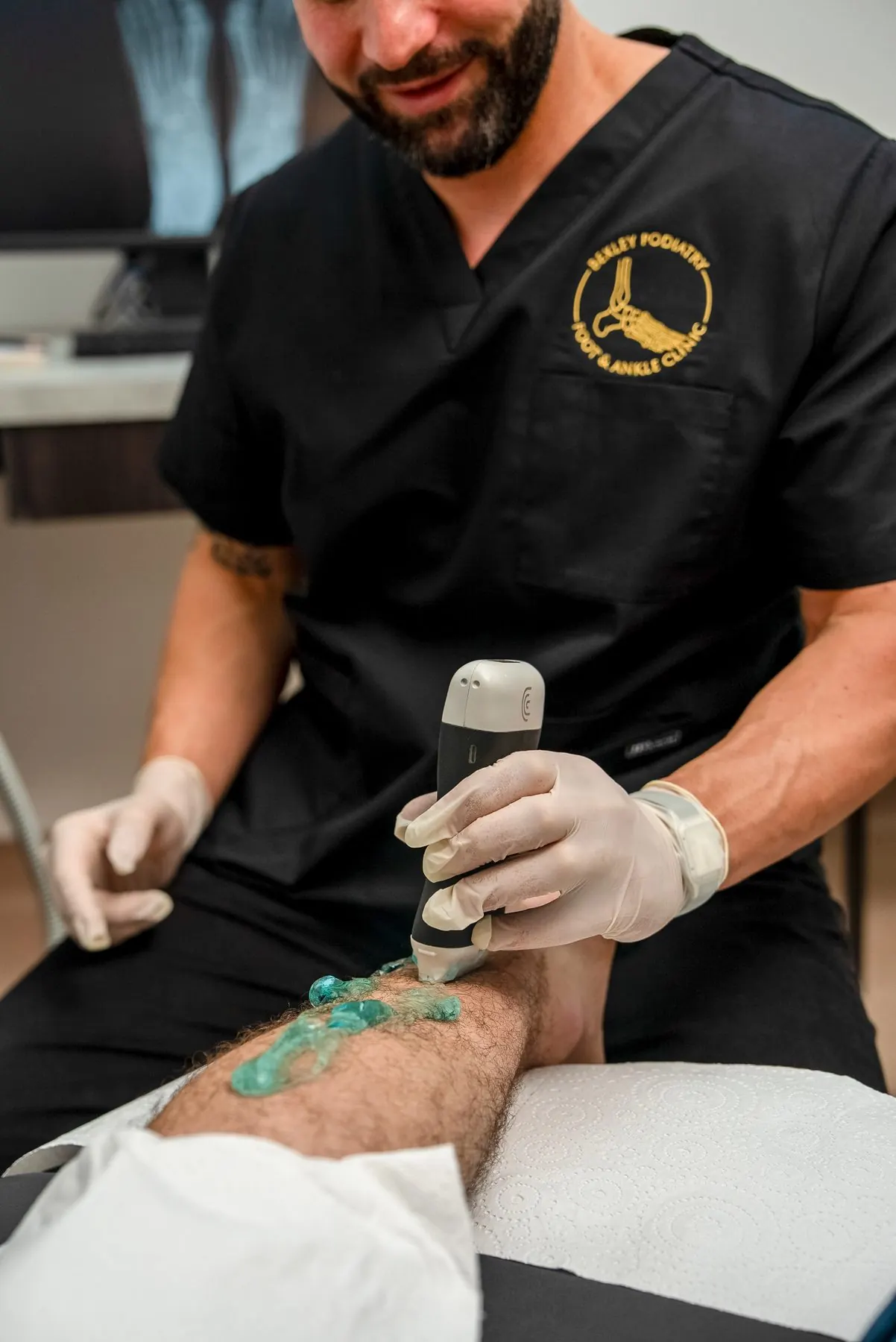
Toenails grow slowly, so visible improvement takes several months as a healthy nail replaces the infected one. Consistency and preventing reinfection are the keys to a lasting result.
Preventing Recurrence
Fungal nails have a real tendency to return, so prevention is part of every treatment plan. That means keeping feet dry, rotating and airing footwear, treating athlete's foot promptly, using antifungal measures in shoes where needed, and being cautious in communal wet areas. For people with diabetes or poor circulation, keeping nails healthy also lowers the risk of other complications.
Fungal Nails FAQs
How long does fungal nail treatment take?
Expect several months to a year, because the infected nail has to grow out and be replaced by healthy nail before it looks clear. Toenails grow slowly, so patience and consistency matter far more than any single quick fix.
How do you know it is actually fungus?
We confirm it with a nail test rather than assuming, because trauma, psoriasis and other nail conditions can look identical. Since treatment is lengthy, it is worth being certain of the diagnosis before you commit to it.
Does laser treatment cure fungal nails?
Laser can be an effective option, particularly for people who cannot take oral medication, but no fungal nail treatment guarantees a cure and results vary. We will talk through the realistic prospects for your nails and combine treatments to give the best chance.
Will the fungus come back after treatment?
It can, which is why prevention is built into the plan - keeping feet dry, managing footwear, treating athlete's foot and being careful in communal wet areas all reduce the risk of the infection returning.

Clearer Nails - Serving Hurstville, Kogarah and Bexley
If thick, discoloured toenails are bothering you, the first step is confirming what is really going on. Bexley Podiatry: Foot and Ankle Clinic, 390 Forest Rd, Bexley, treats fungal nails for patients from Hurstville, Kogarah, Beverly Hills and across St George. Call 1300 345 226 to book a nail assessment.
Related conditions
Request an appointment
Send a few details and our team will be in touch to arrange a time that suits you.
Visit the clinic
Bexley, NSW 2207