

Cracked Heel Treatment in Bexley
Dry, thickened skin around the edge of your heels that has started to split and catch on socks? Cracked heels are common and usually easily treated - but deep, painful cracks, and any cracking in a diabetic foot, deserve proper attention.
- Professional skin care
- Cause and prevention advice
- Diabetic foot care
- 60+Years Combined Experience
- 4.9Google Rating (250+)
- Podiatric surgical registrar on team
- Endorsed for Scheduled Medicines
What Cracked Heels Are
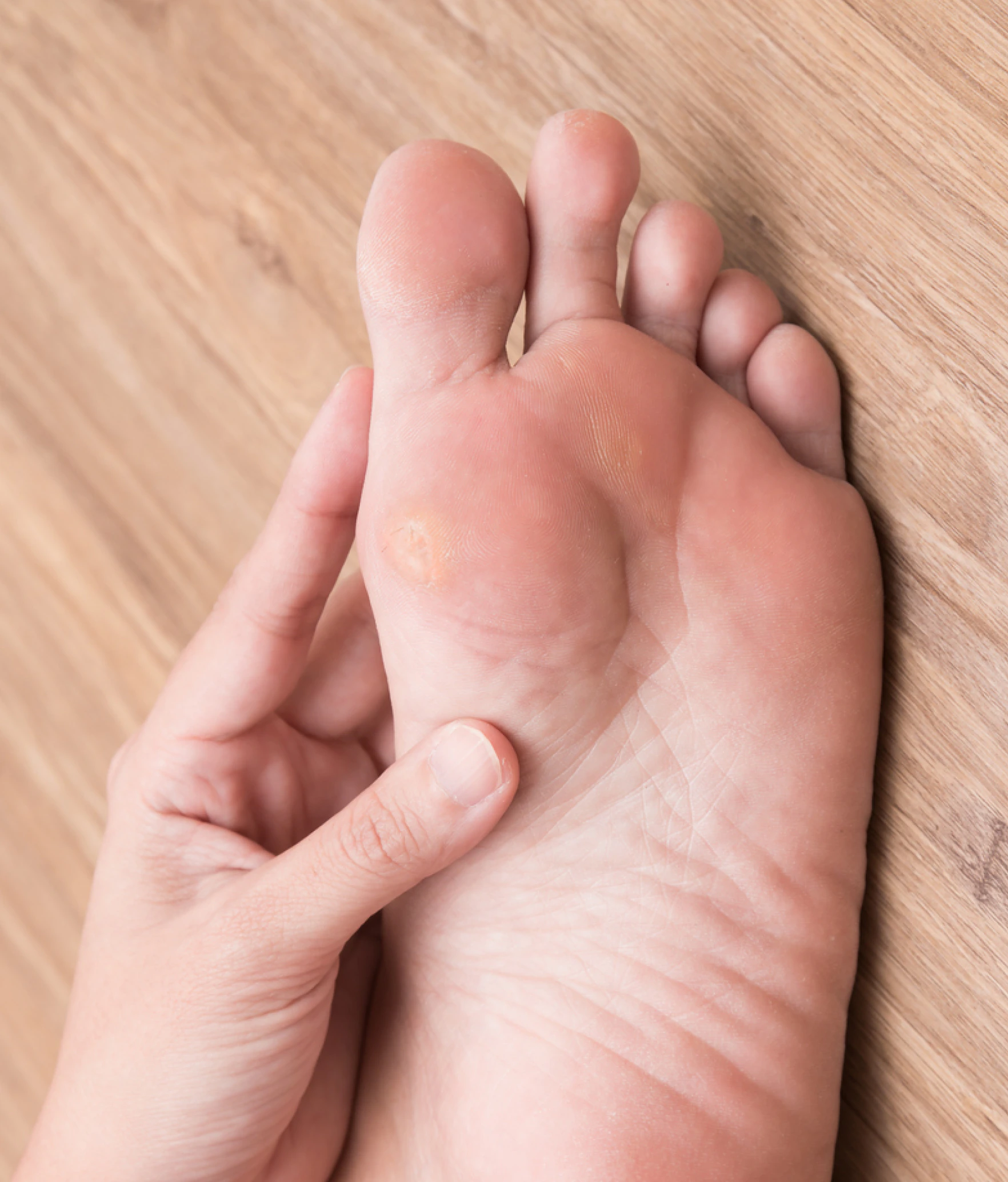
Cracked heels, also called heel fissures, occur when the skin around the rim of the heel becomes dry, thickened and loses its flexibility, so that under the pressure of standing and walking it splits rather than stretches. They often begin as a ring of callus around the heel edge, and as that hard skin builds and dries, cracks form and can deepen over time.
For most people cracked heels are a cosmetic and comfort issue - unsightly, sometimes catching on socks or bedding, and occasionally sore. But deep fissures can crack through to the deeper, living skin, becoming painful and creating an entry point for infection. In people with diabetes or poor circulation, that is a genuine concern, which is why cracked heels should never be ignored in those groups.
Why Heels Crack
Cracked heels come from a combination of dryness, thickened skin and pressure. Common contributors include:
Dry skin
naturally dry skin or low humidity that reduces skin flexibility
Open-backed footwear
thongs and backless shoes that let the heel fat pad spread and the skin split
Callus build-up
thickened heel skin that is more prone to cracking
Pressure and weight
increased load through the heel from standing or weight
Health factors
diabetes, thyroid conditions and reduced circulation that affect skin quality
Signs and Symptoms
Thick heel skin
A build-up of hard, dry callus around the heel edge.
Visible cracks
Splits or fissures in the skin, from fine lines to deep cracks.
Pain
Soreness when standing or walking if the cracks are deep.
Bleeding
Cracks that open and bleed in more severe cases.
Signs of infection
Redness, warmth or discharge where a deep crack has become infected.
How We Assess Them
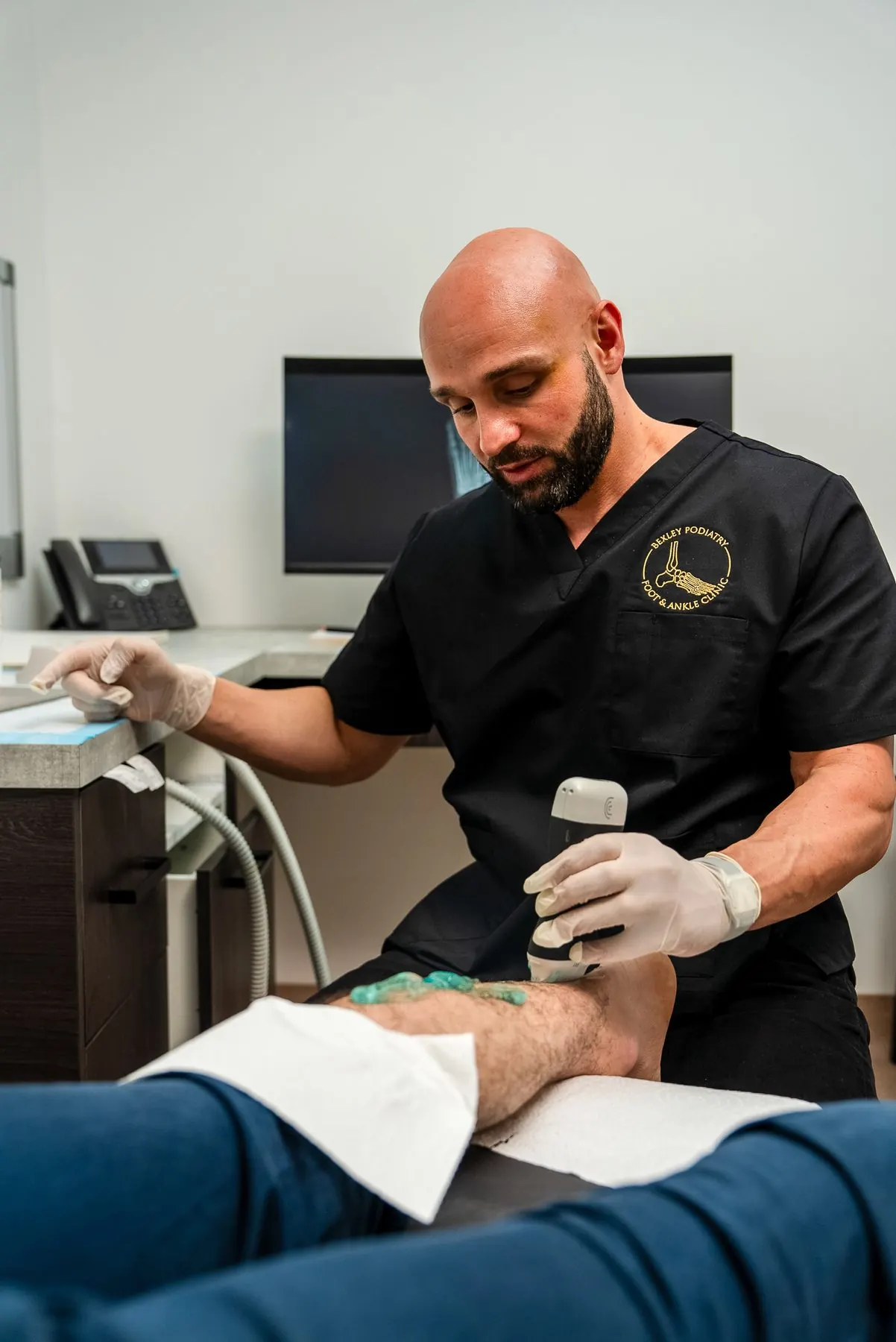
Assessment treats the cracks, addresses the dryness and thickening behind them, and importantly checks for risk factors that make cracked heels more serious. It typically includes:
Skin examination
assessing the depth of the fissures and the surrounding callus.
Circulation and diabetes check
identifying anyone at higher risk from a break in the skin.
Footwear and mechanics review
spotting contributors such as open-backed shoes and heel loading.
Infection check
assessing any deep or infected crack that needs prompt care.
Treatment and Care
Treatment relieves the immediate problem and tackles the dryness and thickening that cause it, giving lasting results. Your plan may include:
- Professional debridement - safely reducing the thick callus so the skin can heal and cracks can close
- Medical-grade moisturisers - recommending emollients that genuinely rehydrate and soften heel skin
- Fissure care - treating deep or infected cracks appropriately
- Footwear advice - swapping open-backed shoes for supportive, closed footwear where cracking is a problem
- Prevention routine - a simple daily skin-care routine to keep the heels supple
- Diabetic foot care - extra care and monitoring for anyone with diabetes or poor circulation
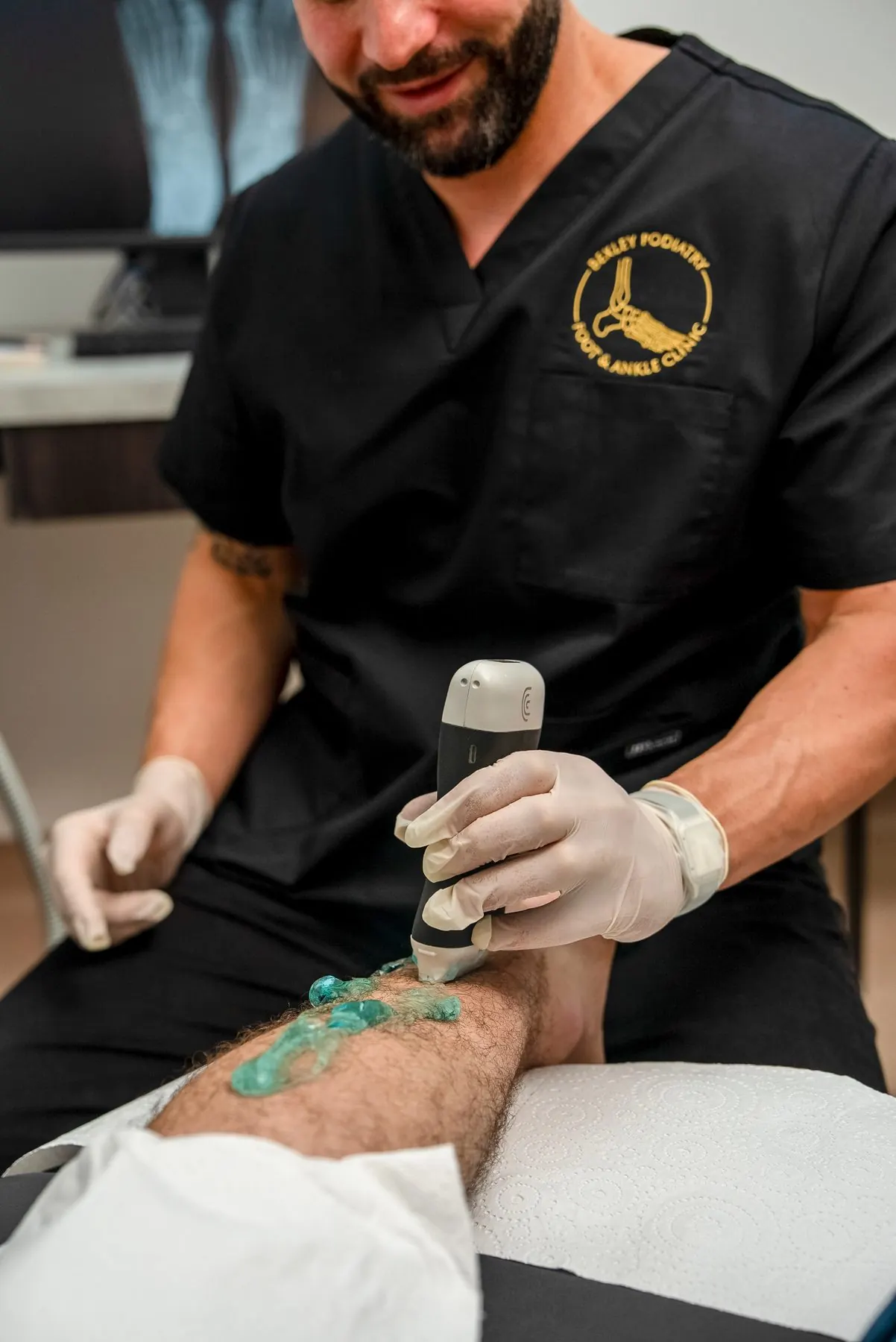
Professional care combined with a consistent home moisturising routine resolves most cracked heels and keeps them from returning. Deep or infected cracks need prompt attention.
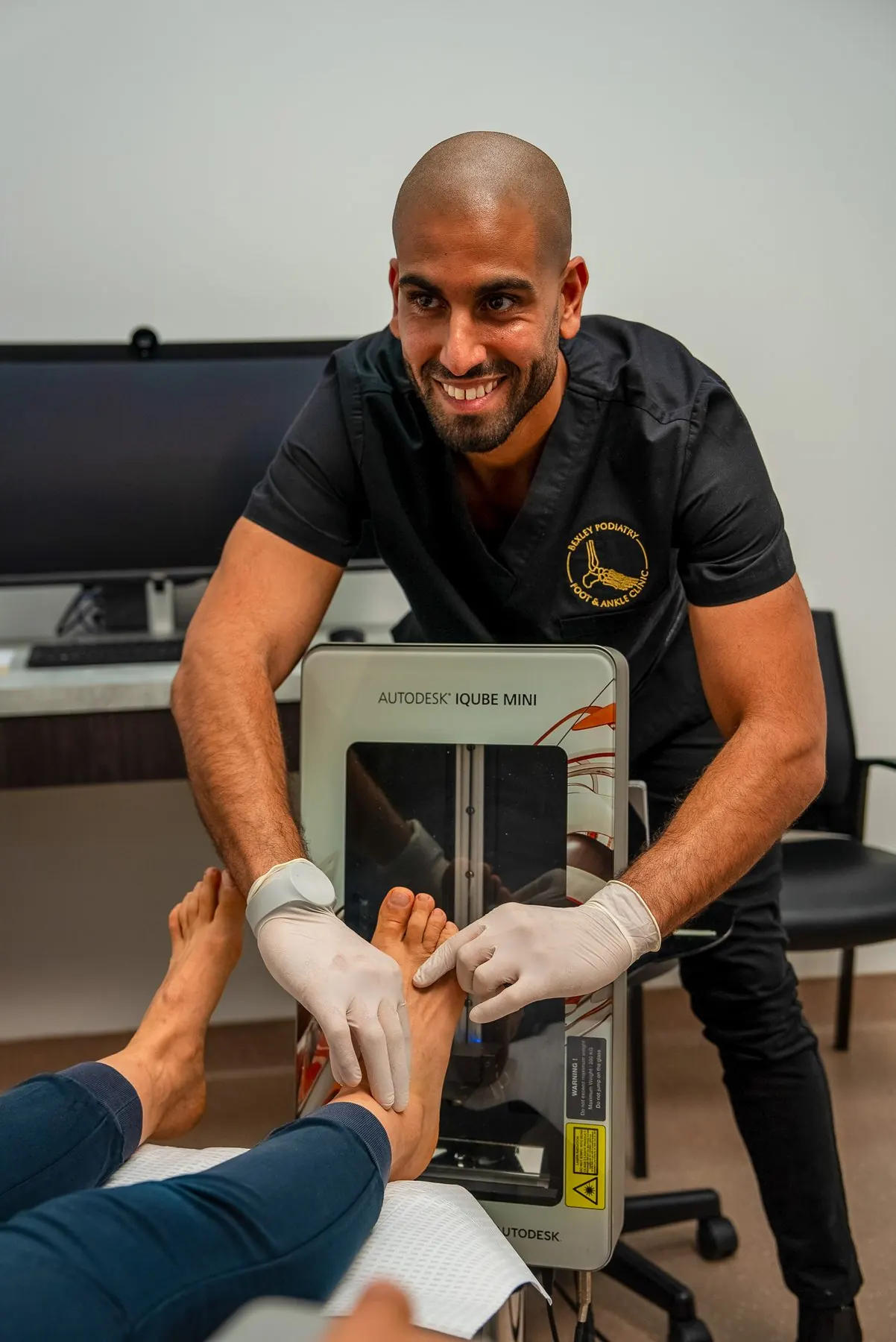
Cracked Heels and Diabetes
For people with diabetes or poor circulation, cracked heels are more than a cosmetic issue. A deep fissure is a break in the skin's protective barrier that can allow infection in, and reduced sensation may mean it is not felt. Regular professional foot care keeps the skin intact and catches problems early. If you have diabetes, cracked heels are a good reason to have a diabetic foot assessment as well.
Cracked Heels FAQs
Why do my heels keep cracking even when I moisturise?
Often because there is thick callus around the heel that ordinary moisturiser cannot penetrate, so the skin stays hard and keeps splitting. Having the callus professionally reduced first, then moisturising consistently, usually breaks the cycle where cream alone has failed.
Are cracked heels dangerous?
For most people they are a comfort and cosmetic issue, but deep cracks can become painful and let infection in. In people with diabetes or poor circulation they are more serious and should always be assessed, because a break in the skin carries a higher risk.
Do open-backed shoes cause cracked heels?
They can contribute. Thongs and backless shoes let the heel fat pad spread sideways under load, which stresses dry skin and encourages it to split. Supportive, closed-in footwear is often part of preventing cracked heels from returning.
What is the best way to prevent cracked heels?
A combination of keeping the callus in check, moisturising the heels daily with a suitable emollient, and wearing supportive footwear. We can set up a simple routine tailored to your skin so the heels stay soft and the cracks stay away.

Smoother, Healthier Heels in Bexley
Dry, splitting heels respond quickly to the right care. Bexley Podiatry: Foot and Ankle Clinic, 390 Forest Rd, Bexley, treats cracked heels for patients from Arncliffe, Rockdale, Hurstville and the St George area, with extra care for diabetic feet. Call 1300 345 226 to book.
Related conditions
Corns & Calluses
Thickened skin from pressure or friction - relieved painlessly, with the underlying cause addressed to stop it returning.
Learn moreFungal Nails
Thick, discoloured, crumbly toenails from a fungal infection - confirmed by testing and treated properly.
Learn moreDiabetic Foot
Specialised care for the diabetic foot - risk assessment, prevention and wound management to protect your feet.
Learn moreRequest an appointment
Send a few details and our team will be in touch to arrange a time that suits you.
Visit the clinic
Bexley, NSW 2207