

Plantar Wart Treatment in Bexley
A rough, tender lump on the sole of your foot that feels like walking on a small stone? Plantar warts are a common viral skin infection - stubborn, but very treatable once correctly identified and managed with the right approach.
- Accurate diagnosis
- Range of treatment options
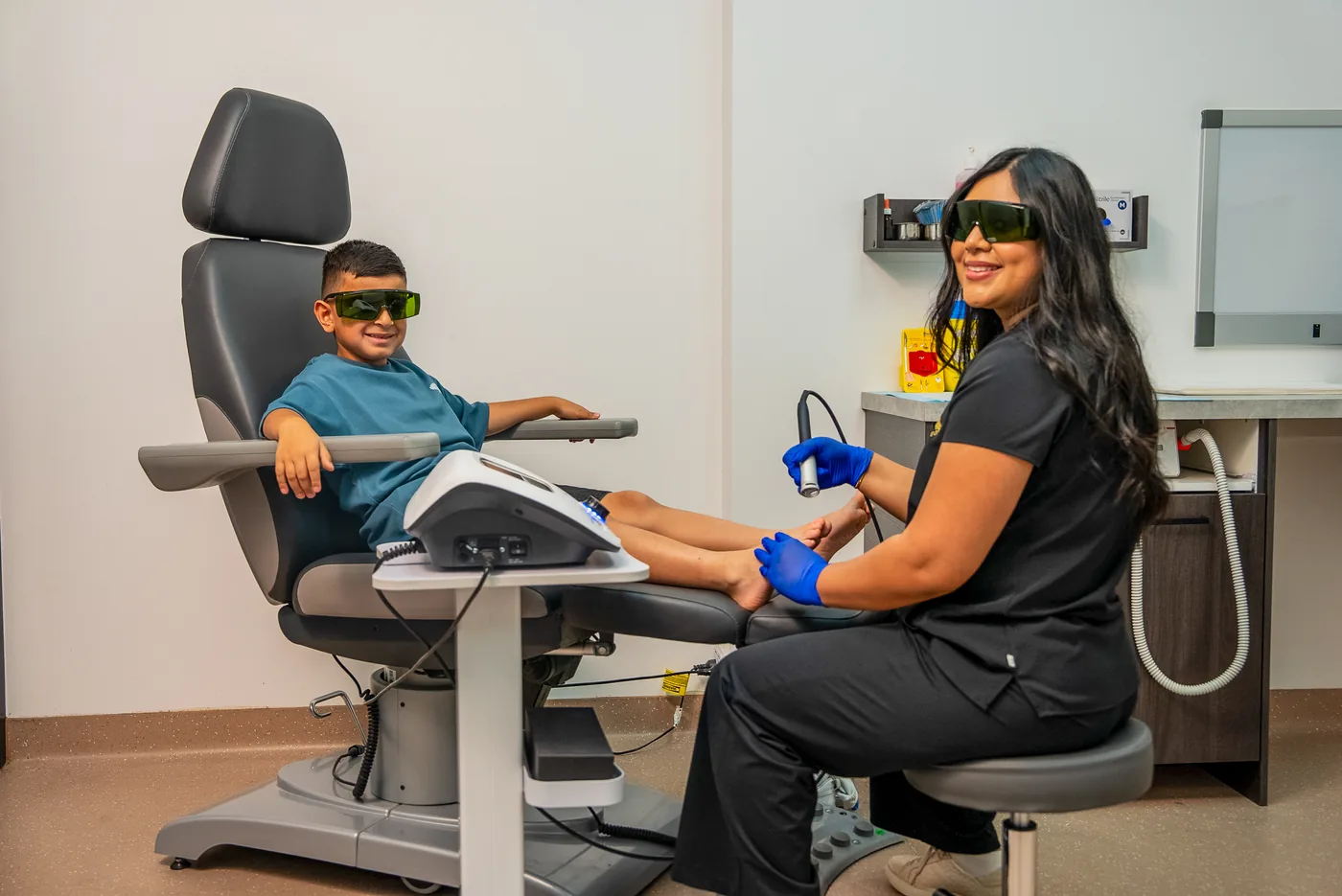
- Care for children and adults
- 60+Years Combined Experience
- 4.9Google Rating (250+)
- Podiatric surgical registrar on team
- Endorsed for Scheduled Medicines
What a Plantar Wart Is
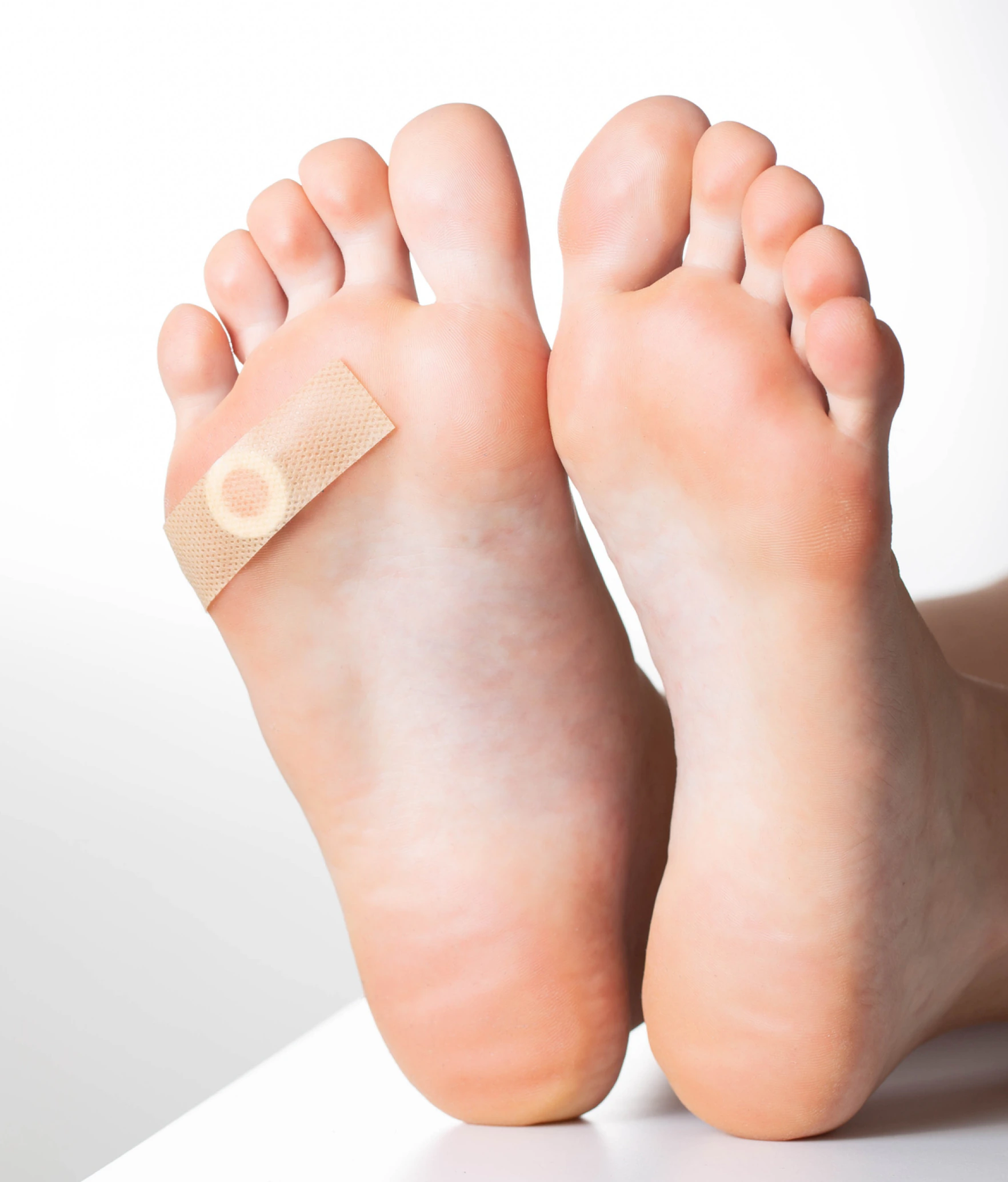
A plantar wart, also called a verruca, is a small skin growth on the sole of the foot caused by the human papillomavirus (HPV). The virus enters through tiny breaks in the skin and triggers the thickened, roughened growth. Because they sit on the weight-bearing sole, plantar warts are pushed inward as you walk, which is why they can be painful and are often flatter than warts elsewhere on the body.
Plantar warts are common, especially in children and teenagers, and are frequently mistaken for a callus. A useful distinguishing feature is that a wart tends to interrupt the normal skin lines and often shows tiny dark dots within it, and it is usually tender when pinched from the sides rather than pressed straight down. Confirming that it really is a wart is the first step, because warts and calluses are treated quite differently.
How They Spread
Plantar warts are contagious and thrive in warm, damp environments. Common contributors include:
Communal wet areas
pools, showers and change rooms where the virus survives on wet floors
Skin breaks
small cuts or cracks that let the virus enter
Direct and indirect contact
sharing towels, socks or shoes, or contact with another person's wart
Lowered immunity
a reduced immune response, which makes infection more likely
Younger age
children and teenagers, whose immune systems are still developing resistance
Signs and Symptoms
A rough lump
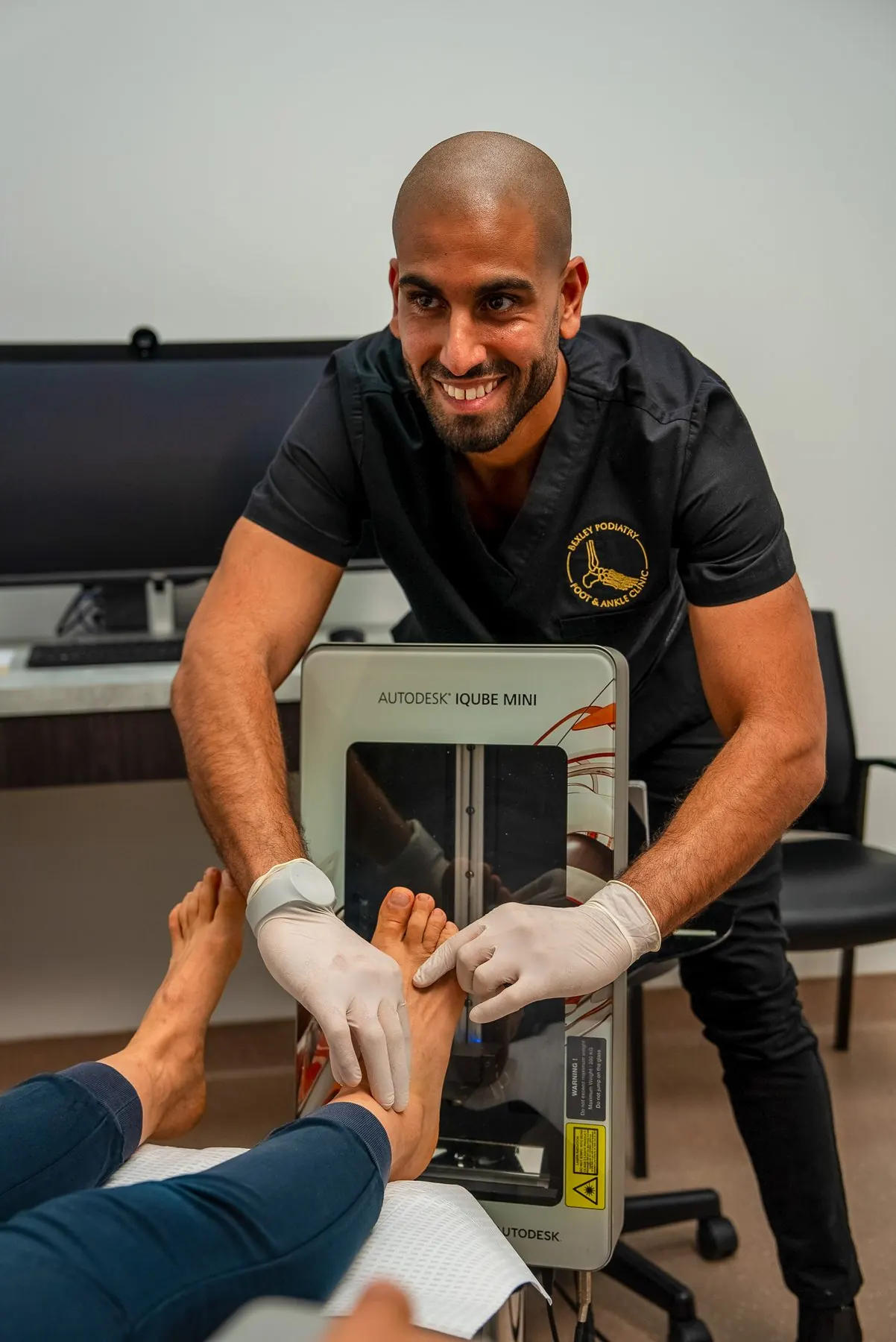
A grainy, thickened growth on the sole, sometimes flattened by pressure.
Tiny dark dots
Small black points within the wart from tiny blood vessels.
Interrupted skin lines
The normal skin ridges bend around the wart rather than running through it.
Pain when pinched
Tenderness when squeezed from the sides, more than on direct pressure.
Clusters
Several warts grouped together in a mosaic pattern in some cases.
How We Assess It
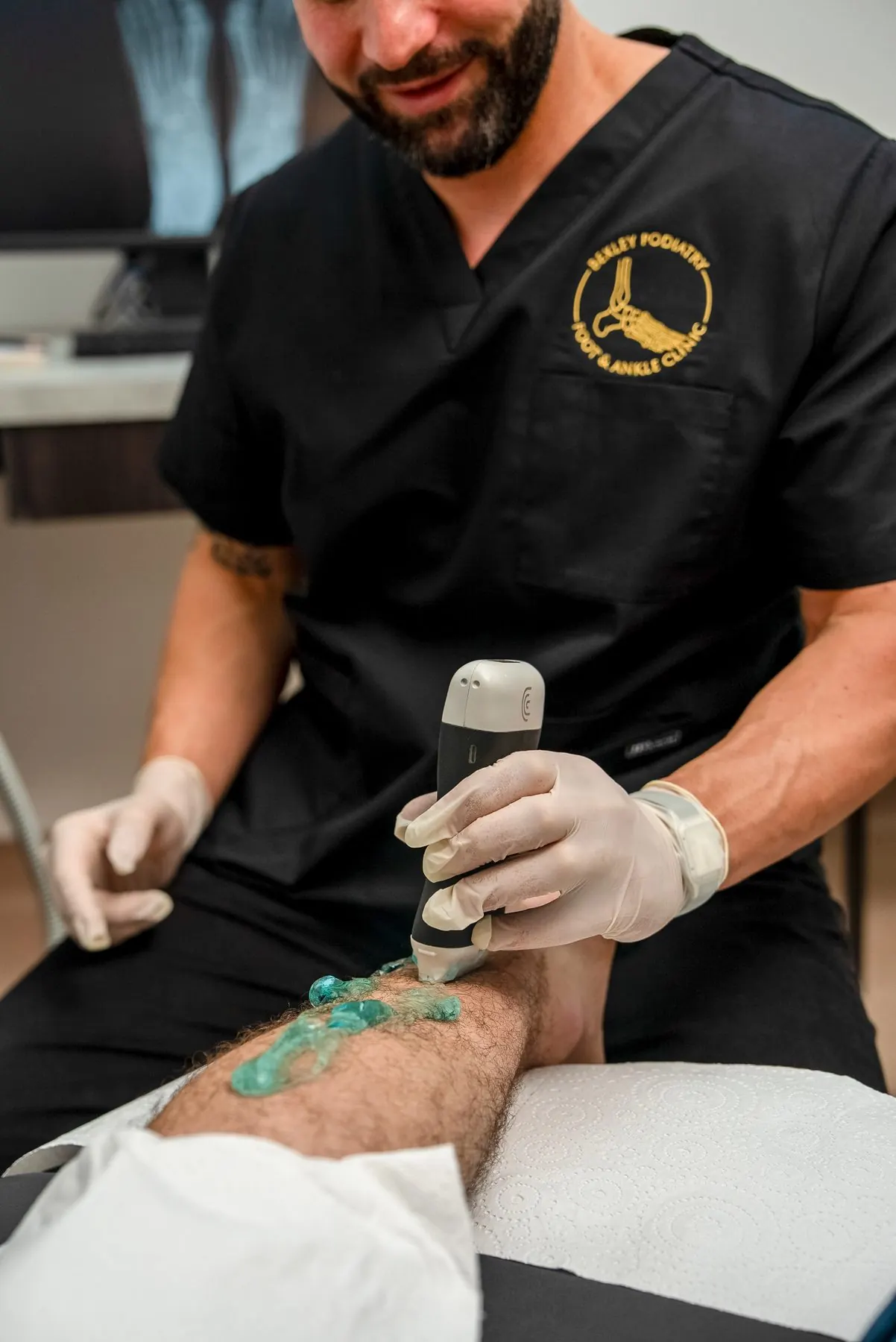
Assessment confirms it is a wart rather than a corn or callus and gauges how it is best treated. It typically includes:
Skin examination
identifying the features that distinguish a wart from a callus.
Debridement
gently paring the surface to reveal the characteristic wart structure.
Health review
considering circulation and immune factors that influence treatment choice.
Treatment Options
Plantar warts can be stubborn and sometimes need more than one approach, but a range of effective treatments is available. The right choice depends on the wart, your age and your preferences. Options may include:
- Debridement - reducing the overlying hard skin to relieve pressure and help treatments work
- Topical treatments - medicated acids applied over a course to break down the wart
- Cryotherapy - freezing the wart to prompt the body to clear it
- Needling or other procedures - stimulating an immune response to the wart where suitable
- Offloading - padding to relieve pain from a wart on a weight-bearing area
- Watchful waiting - monitoring, since some warts - particularly in children - clear on their own over time
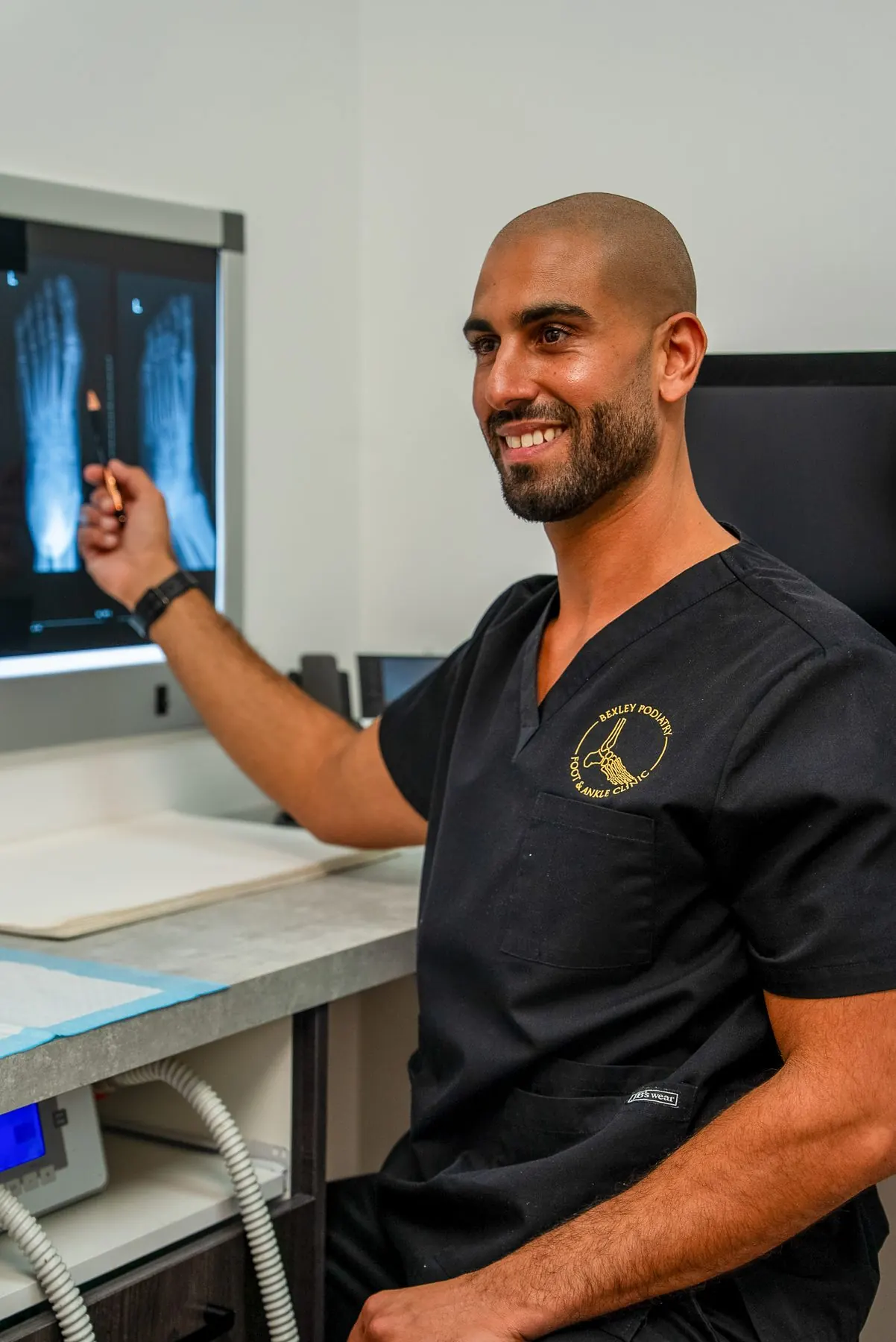
Warts can be persistent and may need repeated or combined treatments. Some resolve on their own, especially in children, so treatment is often guided by how painful and bothersome the wart is.

When to Seek Treatment
Not every plantar wart needs active treatment - many, especially in children, eventually clear as the immune system responds. Treatment is worthwhile when a wart is painful, spreading, multiplying or simply not resolving. It is also sensible to have any new or changing lump on the foot assessed to confirm what it is, and people with diabetes or poor circulation should always have foot lesions checked professionally rather than self-treating.
Plantar Warts FAQs
Is it a wart or a callus?
They are easy to confuse. A wart usually interrupts the skin lines, may show tiny dark dots, and hurts more when pinched from the sides than pressed down, whereas a callus is smooth thickened skin over the skin lines. We can tell them apart, which matters because they are treated differently.
Will a plantar wart go away on its own?
Some do, particularly in children, as the immune system eventually clears the virus - though this can take many months or longer. If a wart is painful, spreading or not resolving, active treatment is worthwhile rather than waiting indefinitely.
Why is my wart so hard to get rid of?
Plantar warts are notoriously stubborn because the virus sits deep under thick, weight-bearing skin. They often need repeated or combined treatments and some persistence. This is normal and does not mean anything is wrong - it simply reflects how these warts behave.
Are plantar warts contagious?
Yes. The virus spreads in warm, damp places like pools and showers and through shared towels or footwear. Covering the wart, keeping feet dry and not sharing footwear help limit spread to others and to other parts of your own foot.
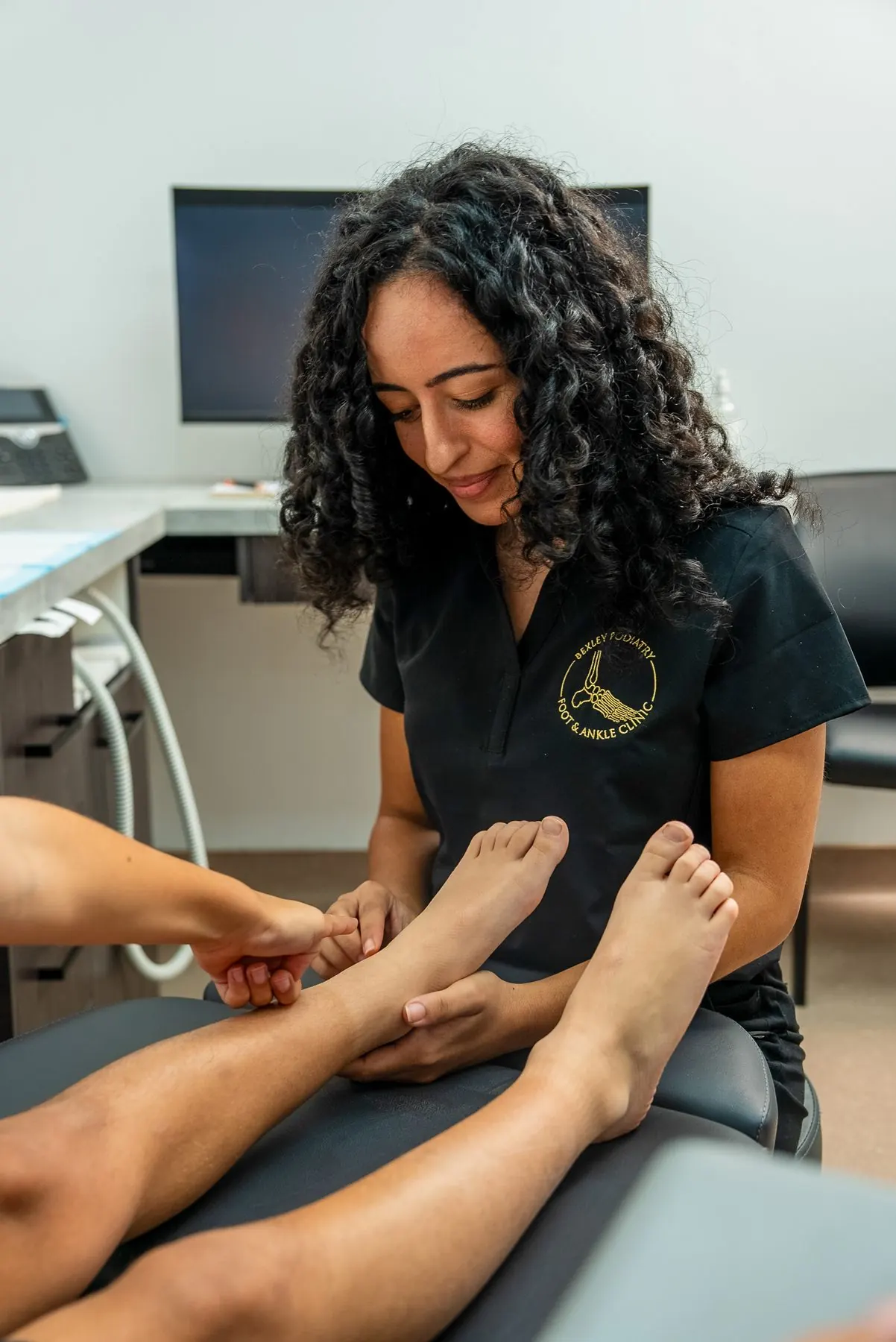
Plantar Wart Care for Families Across St George
If a painful wart on the sole is making every step uncomfortable, we can confirm it and treat it. Bexley Podiatry: Foot and Ankle Clinic, 390 Forest Rd, Bexley, treats plantar warts for children and adults from Kogarah, Rockdale, Brighton-Le-Sands and Sydney's south. Call 1300 345 226 to book.
Related conditions
Request an appointment
Send a few details and our team will be in touch to arrange a time that suits you.
Visit the clinic
Bexley, NSW 2207