
Demystifying Ingrown Toenail Surgery
Ingrown toenail surgery sounds far scarier than it is. It's a common, low-risk procedure done in the clinic under local anaesthetic, and most people walk out straight afterwards. Here's exactly what to expect.
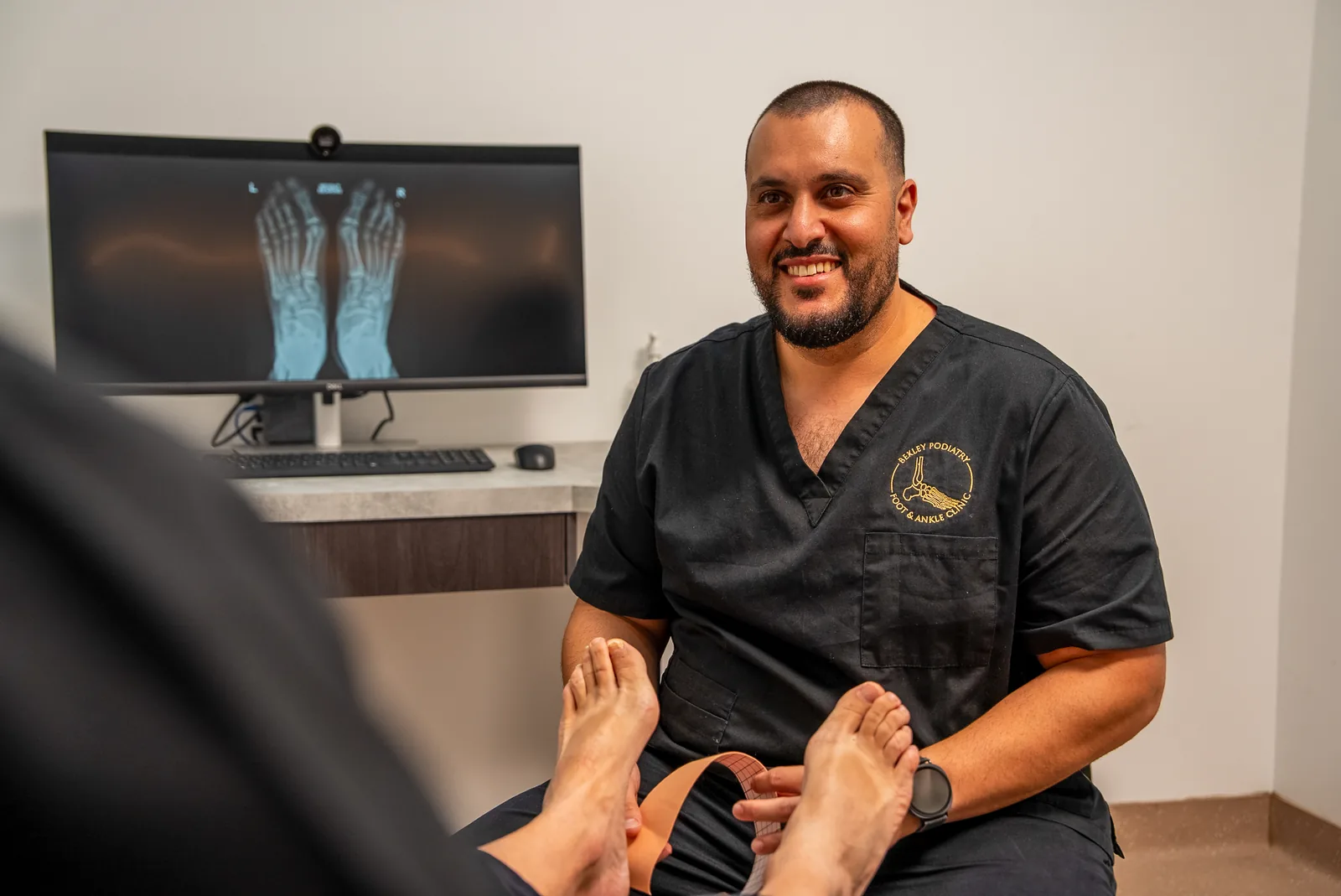
The word 'surgery' makes people nervous, but ingrown toenail surgery is one of the most straightforward procedures a podiatrist does - performed in the clinic, under local anaesthetic, with most people walking out immediately afterwards. At Bexley Podiatry we do these regularly for patients across the St George area, so here's exactly what's involved.
What is an ingrown toenail?
An ingrown toenail is a nail that presses into or pierces the skin beside it, causing pain, redness and often infection. Surgery is worth considering when a nail repeatedly gets infected, is persistently painful, stops you wearing shoes, or interferes with work or sport. For many people it's the permanent fix after months of recurring trouble.
You don't have to wait until it's infected
If the same toe keeps flaring up, a small procedure now can save you repeated pain and antibiotics later. It's a permanent solution for recurrent ingrown nails.
The procedure, step by step
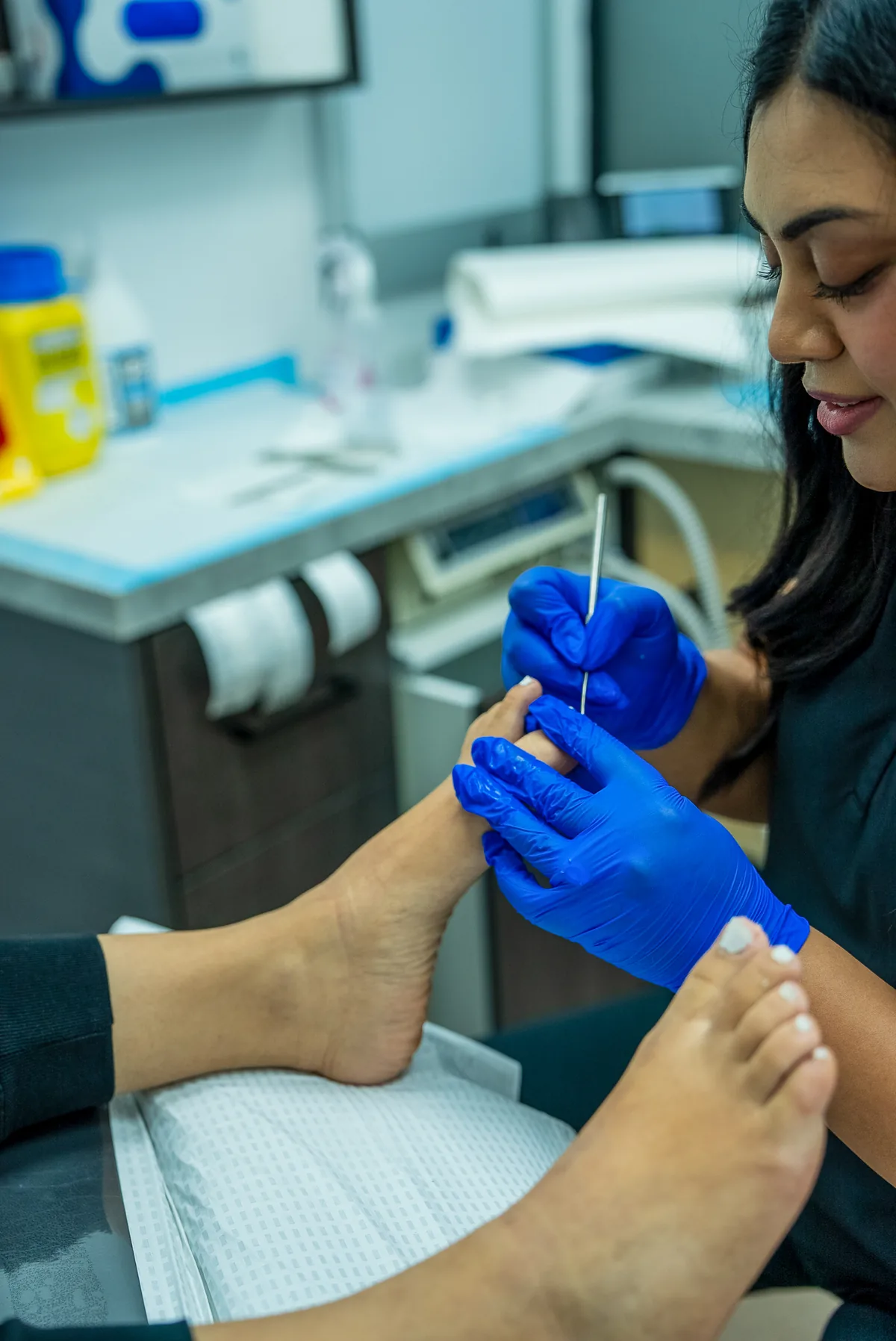
The most common procedure is a partial nail avulsion (PNA) - removing just the troublesome edge of the nail. Here's how it goes:
- The toe is numbed with a local anaesthetic injection - this is the only part you really feel, and it's brief.
- A soft band is applied to keep the area clean and reduce bleeding while we work.
- The offending edge of the nail is gently removed - usually without cutting or stitching the toe.
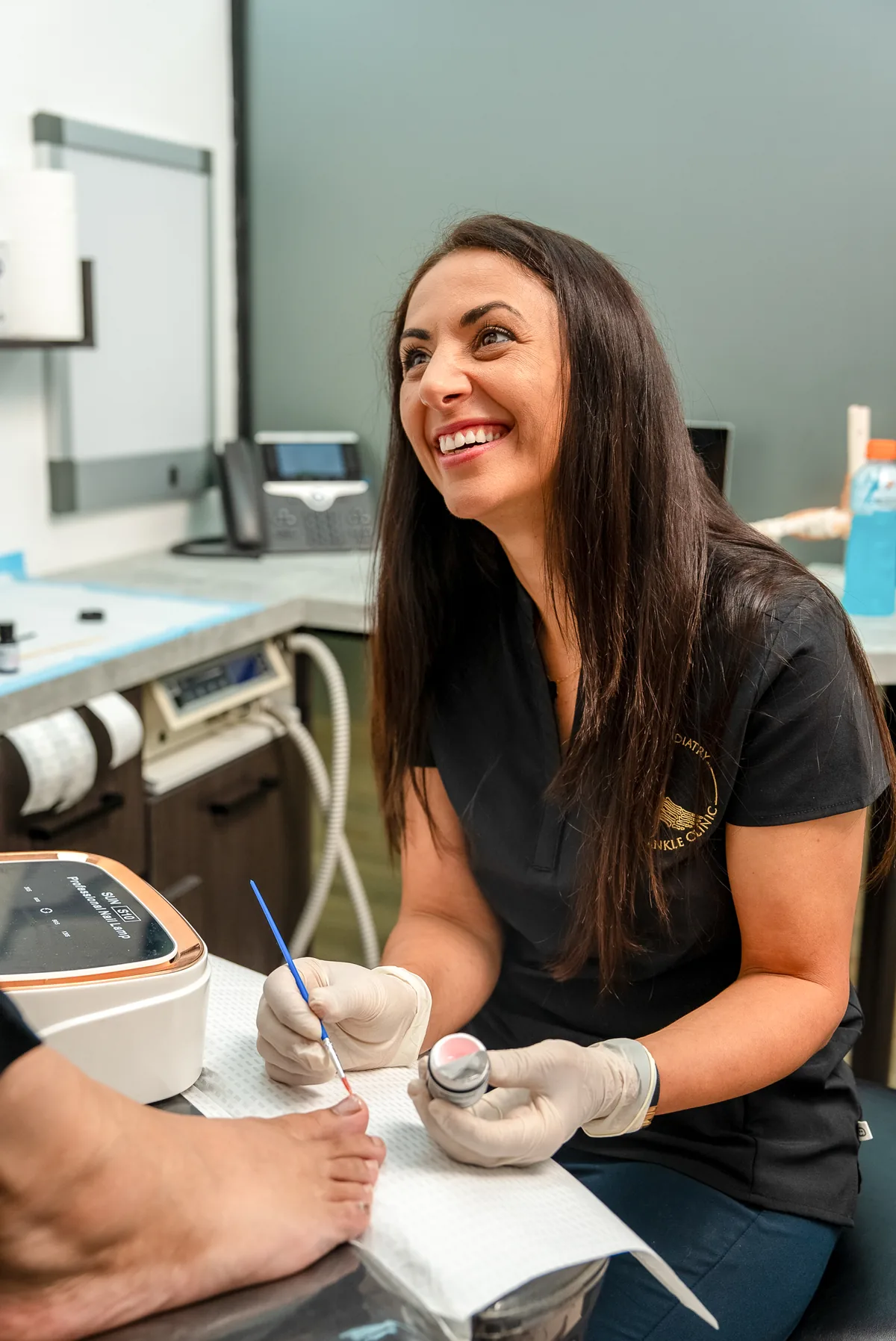
- A chemical is applied to that nail edge so it won't regrow, leaving a normal-looking, slightly narrower nail.
- A sterile dressing is applied, and you're able to walk straight away.
Recovery and aftercare
The anaesthetic wears off in about an hour, and most people need only simple pain relief, if any. You'll re-dress the toe at home and come back for a couple of quick reviews. Full healing takes a few weeks, but you're back to normal daily activity quickly. We'll give you clear written aftercare.
- Keep the dressing clean and dry as directed.
- Arrange a lift home for the first day if you can.
- Return for your review appointments so we can check it's healing well.
Is it safe?
Every procedure carries some risk, but partial nail avulsion has a low complication rate and is very well tolerated. Because our clinicians are endorsed for scheduled medicines, we administer the local anaesthetic ourselves, in the clinic - no hospital visit needed for most patients.
End recurring ingrown toenails for good
If you're tired of the same painful toe flaring up, our ingrown toenail surgery offers a permanent fix, close to home in Bexley. We see patients from Rockdale, Kogarah, Arncliffe and across the St George area. Book an assessment online or call 1300 345 226.
Related on our site
Reviewed by Dr Mohamed Elbana, BHSc, MPodMed, MSc (Pod Surg) Dist., ACPS Registrar. This article is general information, not a diagnosis - for advice about your own feet, book an assessment.
Frequently asked questions
Does ingrown toenail surgery hurt?
The only part you really feel is the small local-anaesthetic injection to numb the toe. After that the procedure is painless, and most people need little or no pain relief afterwards.
Will the toenail grow back after surgery?
With a partial nail avulsion, a chemical is applied so the treated edge doesn't regrow - giving a permanent result. The nail looks normal, just slightly narrower. Recurrence is uncommon.
How long is the recovery?
You can walk immediately and return to normal daily activity quickly. The toe fully heals over a few weeks, with a couple of short review appointments and simple home dressing changes.