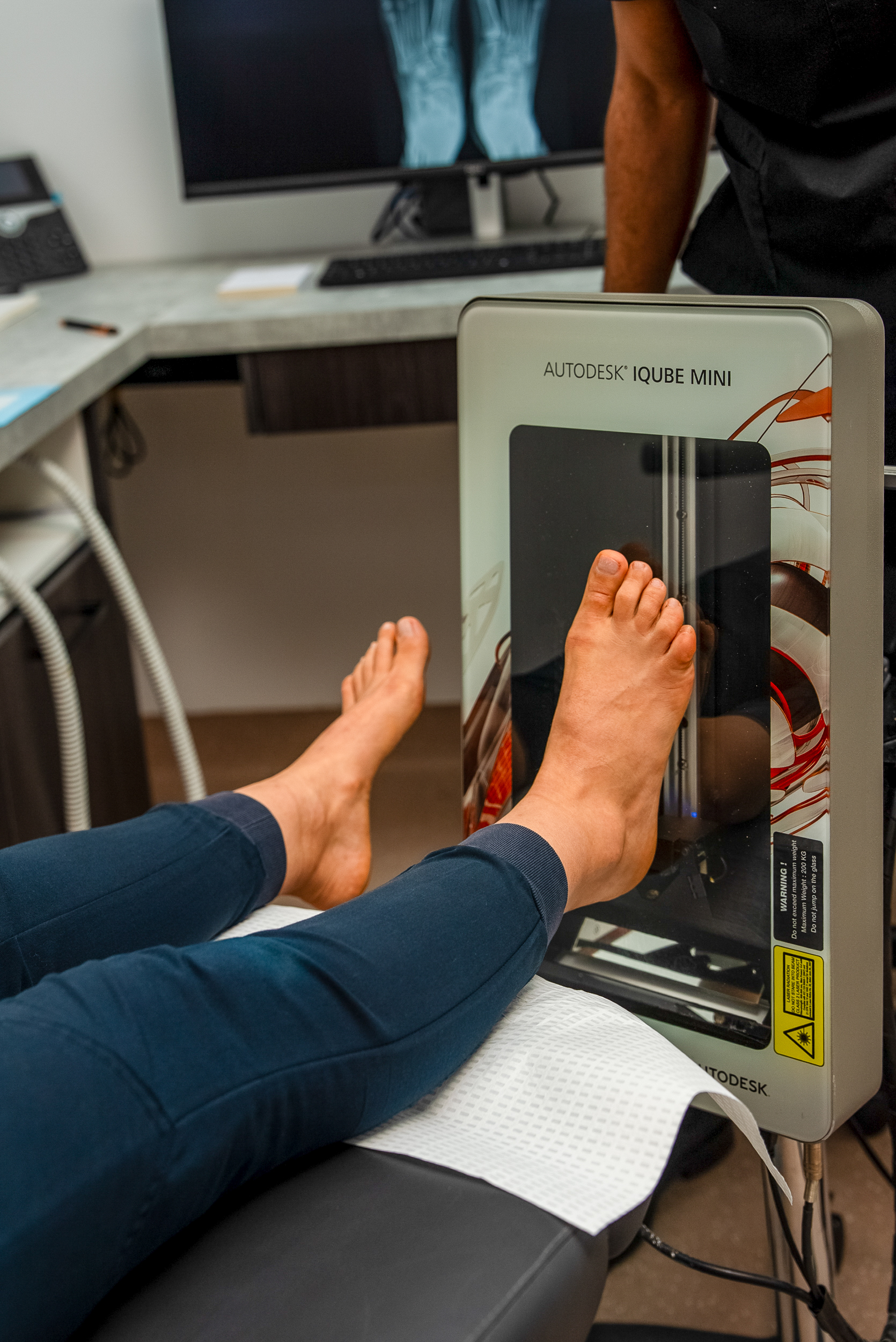

Bunions - Do You Need Surgery, or Can They Be Managed?
Do you need bunion surgery? Most bunions can be managed for years without it. Here's what conservative care achieves and when surgery becomes the right call.
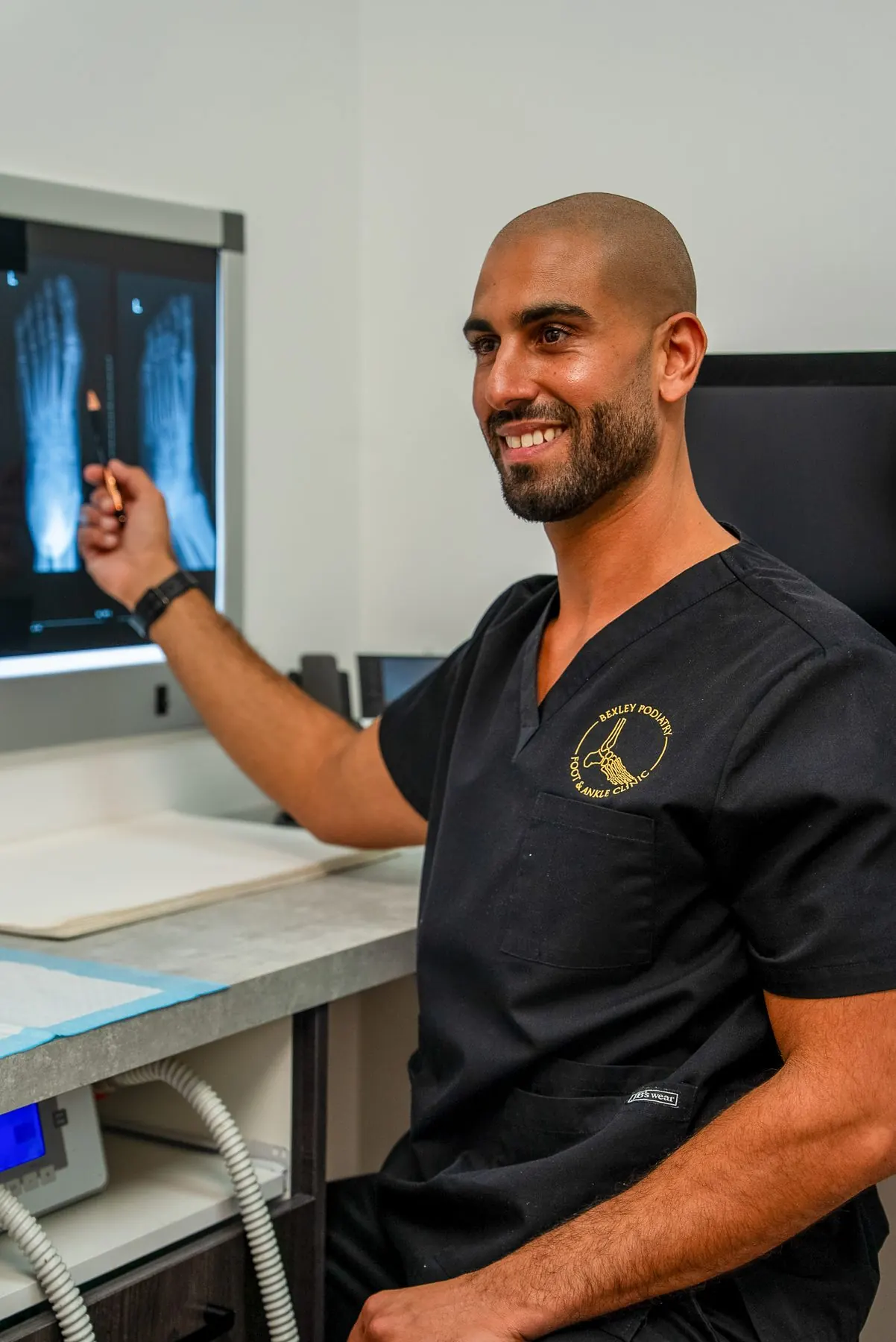
TL;DR
A bunion is a bony deformity of the first metatarsophalangeal joint (big toe joint) where the big toe drifts toward the second toe. Conservative management reduces pain and slows progression but does not reverse the deformity. Surgery is the only way to correct the structural deformity and is appropriate when conservative treatment fails to control symptoms adequately. Most people can manage their bunion without surgery for many years.
Bunions are one of the most common foot conditions in adults, and one of the most commonly misunderstood. Many people think a bunion is simply a lump on the side of the foot - in reality it's a progressive structural deformity of the big toe joint that, if left unmanaged, typically worsens over time.
The good news is that most bunions can be managed effectively with conservative treatment for years before surgery becomes necessary, if it becomes necessary at all. The key is knowing what management actually achieves and making informed decisions about intervention.
What Is a Bunion?
A bunion (hallux valgus) is a lateral deviation of the big toe at the first metatarsophalangeal (MTP) joint. As the toe drifts toward the second toe, the metatarsal head migrates medially - creating the visible bony prominence on the inner side of the foot. This prominence is not extra bone growth; it's the metatarsal head being pushed out of its normal alignment.
The deformity is typically classified by severity using the hallux valgus angle (HVA) measured on weight-bearing X-ray:
- Mild: HVA less than 20 degrees
- Moderate: HVA 20-40 degrees
- Severe: HVA greater than 40 degrees
The severity of deformity does not always correlate with the severity of pain. Some people with significant structural deformity are largely pain-free; others with mild bunions have significant functional limitation.
What Causes Bunions?
Bunions have a strong genetic component - the joint laxity and foot structure that predisposes to hallux valgus is largely inherited. Research consistently shows that bunions run in families, and AOFAS data suggests genetic factors account for the majority of bunion risk.
Footwear plays a significant role in progression rather than causation - narrow, pointed or high-heeled shoes that compress the forefoot and push the big toe medially accelerate deformity in those who are genetically predisposed, but they don't cause bunions in people who aren't. This is why the standard advice to "just wear wider shoes" is frequently insufficient.
Flat feet (hyperpronation) and generalised ligamentous laxity are also associated with higher rates of bunion development and faster progression.
Can Bunions Be Managed Without Surgery?
Yes - and for most people, for most of their lives. Conservative management won't reverse the deformity, but it can effectively control pain, reduce inflammation and significantly slow the rate of progression.
The evidence-supported conservative options include:
- Footwear modification: The most impactful conservative intervention. Shoes with a wide toe box, low heel and firm midsole reduce the compressive and shear forces that aggravate bunion pain. Shoes with a toe box that is wide enough for the forefoot to sit naturally without compression are the non-negotiable starting point.
- Custom orthotics: Prescribed to control hyperpronation and reduce the medial loading of the first MTP joint. The evidence for orthotics slowing bunion progression is moderate but consistent - they don't correct the deformity but they do reduce the mechanical driver of its worsening.
- Bunion pads and toe spacers: Gel or foam pads reduce friction on the medial prominence. Toe spacers placed between the first and second toes can reduce the rate of angular progression in mild to moderate cases, though evidence for long-term structural benefit is limited.
- Night splints: Worn during sleep to maintain the toe in a more corrected position. The evidence for structural correction is weak, but some patients find them useful for managing overnight joint stiffness.
- Anti-inflammatory management: For acute flares of joint pain, icing, activity modification and appropriate analgesia reduce symptoms. Ultrasound-guided cortisone injection into the first MTP joint provides targeted relief for significant synovitis (joint inflammation).
When Is Surgery the Right Decision?
Surgery is appropriate when conservative management has been genuinely trialled and fails to adequately control symptoms, or when the deformity has progressed to a severity that is functionally limiting regardless of pain.
Indications for surgical referral include:
- Significant, persistent pain that limits walking, work or daily activities despite adequate conservative treatment
- Severe deformity (HVA greater than 40 degrees) even with mild symptoms, as the deformity at this stage often progressively worsens
- Secondary deformity of adjacent toes (hammer toe, crossover toe) caused by crowding from the bunion
- Inability to wear appropriate footwear for work or daily life
Surgery is generally not recommended for cosmetic reasons alone, in patients who are not experiencing functional limitation, or in patients who have not first tried conservative management.
What Does Bunion Surgery Involve?
Bunion surgery (hallux valgus correction) is a surgical procedure to restore the alignment of the first metatarsophalangeal joint. The specific procedure depends on the severity of the deformity:
- Chevron osteotomy: For mild to moderate bunions. A V-shaped cut in the first metatarsal allows the bone to be shifted laterally and fixed in the corrected position with small screws.
- Scarf osteotomy: For moderate to severe bunions. A longer, Z-shaped bone cut provides greater correction capacity and stability.
- Lapidus procedure (first metatarsal cuneiform fusion): For severe bunions associated with hypermobility of the medial column. Corrects the deformity at its root cause - the unstable joint at the base of the first metatarsal.
Bunion surgery at Bexley Podiatry is performed by our surgical podiatrist. Recovery typically involves 6-12 weeks in a protective boot, depending on the procedure, followed by a phased return to normal footwear and activity.
Whether you need conservative management or are considering surgery, the right place to start is a proper clinical assessment to understand where your bunion actually is and what your options are. Book a bunion assessment.
Related on our site
Frequently asked questions
Can a bunion go away on its own?
No. Once a bunion deformity has developed, it does not self-correct. Conservative management can slow progression and control pain, but the structural deformity requires surgical correction if reversal is the goal.
Are bunions hereditary?
Yes. Hallux valgus has a strong hereditary component. If one or both of your parents had bunions, you have a significantly higher risk of developing them. Footwear choices and foot mechanics influence progression, but the underlying predisposition is largely genetic.
How long is the recovery from bunion surgery?
Recovery depends on the procedure. Most patients are in a protective boot for 6-8 weeks, returning to normal footwear at 8-12 weeks and to full activity including sport by 4-6 months. Full bone healing takes approximately 6 months. Your surgeon will outline a specific recovery timeline based on the procedure performed.
Will my bunion come back after surgery?
Recurrence is possible - rates vary by procedure and by the patient's underlying foot structure. Orthotic therapy post-surgery helps control the biomechanical factors that contributed to the original deformity. Appropriate footwear choices post-recovery also significantly affect long-term outcomes.
What age should I consider bunion surgery?
There is no specific age threshold. Surgery should be considered when conservative management fails to adequately control symptoms, regardless of age. In adolescents, surgery is generally deferred until skeletal maturity unless the deformity is severe.